National OilSeeds Development Programme

Overall Objective

The National Oilseeds Development Programme focuses on enhancing the productivity, quality, and competitiveness of key oilseed crops through targeted research, breeding, and agronomic improvement. The programme undertakes extensive germplasm collection from both local and exotic sources to support population development and hybrid seed production. By assembling diverse genetic materials, it strengthens its capacity to develop improved varieties that are high-yielding, resilient, and well adapted to different agro-ecological zones.

Current research prioritizes sunflower, soybeans, and sesame, while emerging work on castor and safflower aims to broaden the country’s oilseed portfolio. Core research areas include breeding—focused on improving yield potential, disease resistance, and oil quality—and agronomy, which works to refine production practices, planting systems, and nutrient management. Together, these efforts contribute to higher crop productivity, improved farmer profitability, and a more competitive national oilseed value chain.

Germplasm Evaluation

This activity involves systematically screening and characterizing a wide range of genetic materials sourced both locally and internationally. The team assesses key traits such as yield potential, disease and pest resistance, drought tolerance, maturity period, and overall environmental adaptability. Through detailed field and laboratory evaluations, superior lines are identified and selected for further breeding and population development. This process ensures that only the most promising genetic resources form the foundation of improved varieties suited to farmers’ needs and Zambia’s diverse agro-ecological conditions.

Planting Trials

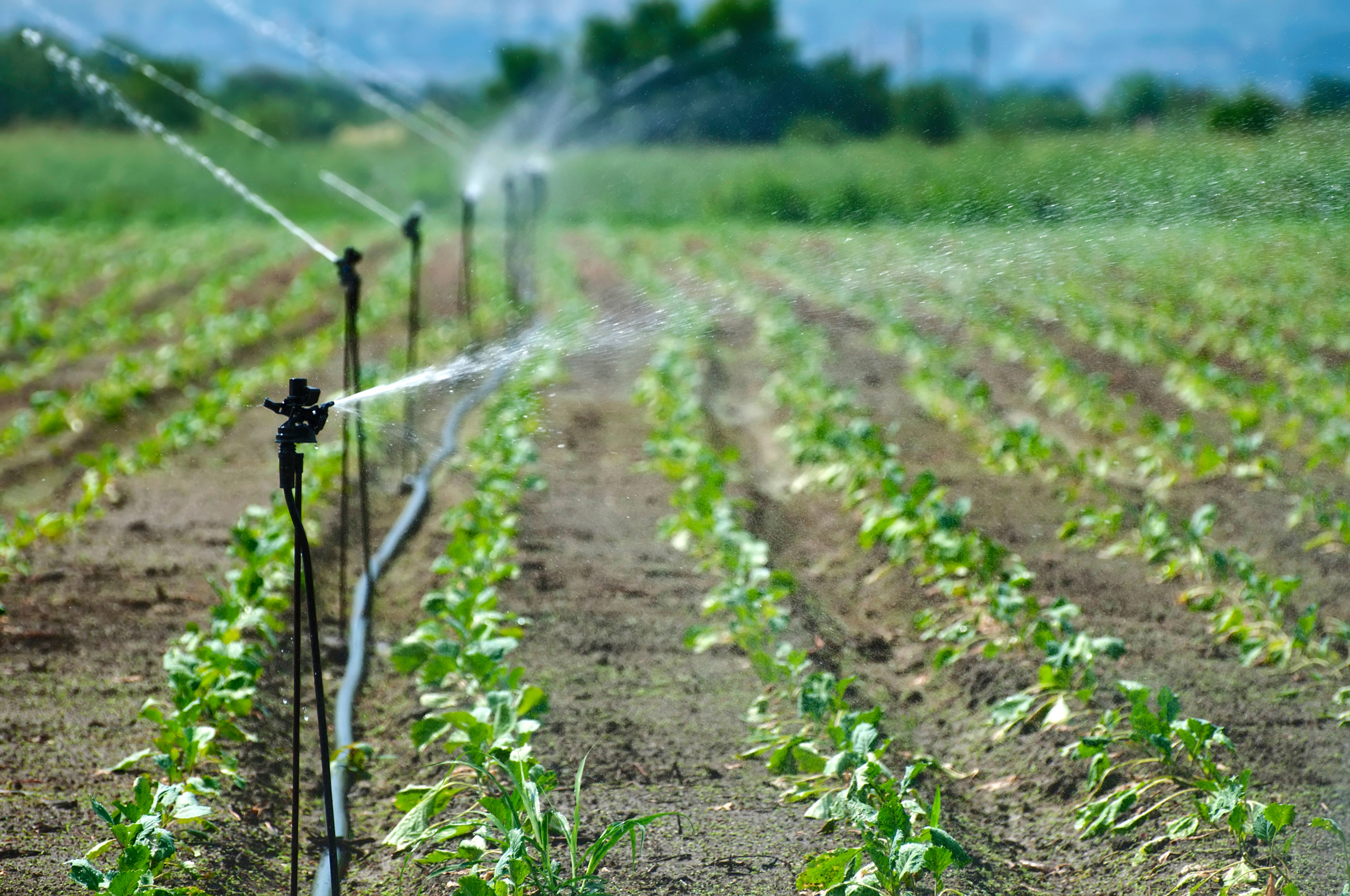
This activity involves conducting on-station field trials to evaluate the performance of different genotypes across various agro-ecological regions. The team assesses key factors such as yield, growth habits, stress tolerance, and response to local management practices. By testing promising lines under controlled yet realistic field conditions, the trials help identify varieties that perform consistently and are well suited to specific environments. The results provide critical data for selecting superior genotypes and guiding subsequent breeding, agronomic recommendations, and variety release decisions.

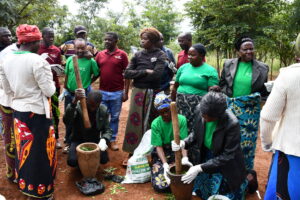
Farmer Training and Capacity Building

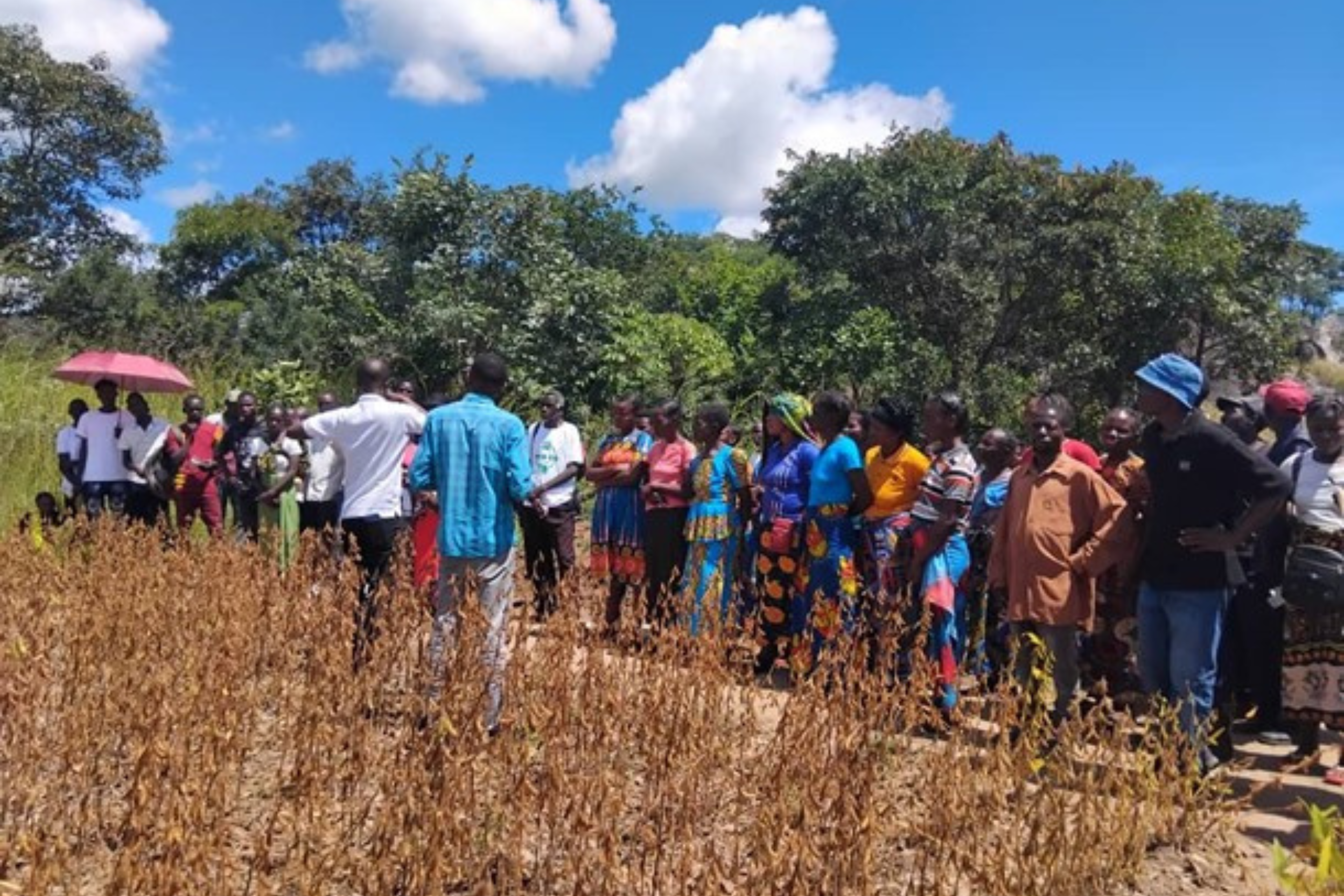
This activity involves practical, hands-on training to help farmers adopt good agricultural practices, select crop varieties suited to their local conditions, manage pests and diseases effectively, and improve post-harvest handling. It also emphasizes sustainable farming techniques, efficient resource use, productivity enhancement, and preparing farmers to meet market demands with higher-quality produce.

On-Farm Trials

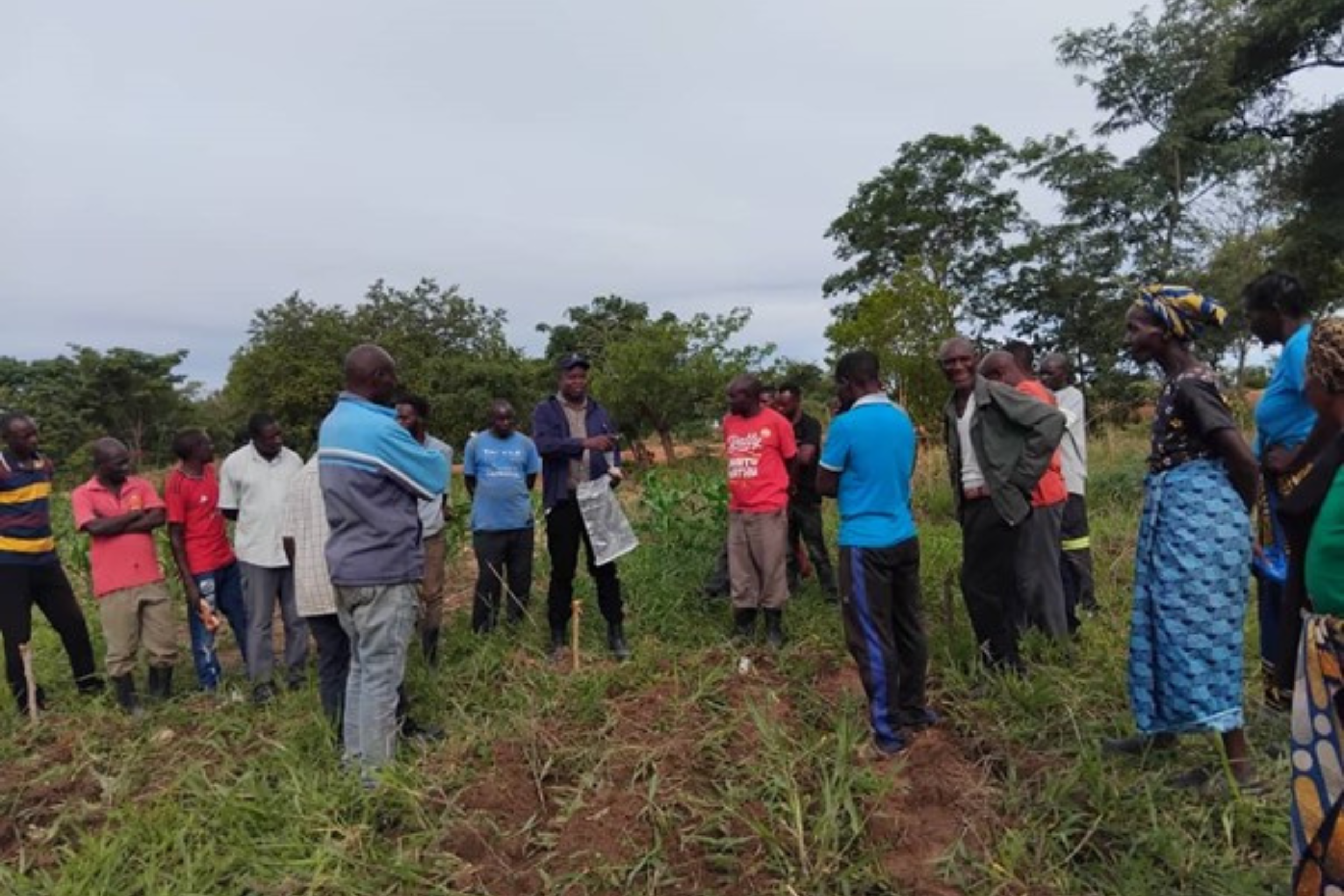
This activity involves working directly with farmers to test and evaluate selected crop varieties and agricultural technologies under actual farming conditions. By engaging farmers in the process, we ensure that the varieties and technologies are relevant, adaptable, and practical for their local environment. Farmers provide feedback on performance, yield, pest and disease resistance, and ease of use, which helps refine recommendations and promotes wider adoption of improved practices. This hands-on collaboration also strengthens farmer knowledge, builds trust, and encourages innovation tailored to real-world challenges.
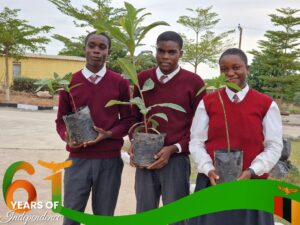
Breeding Nurseries

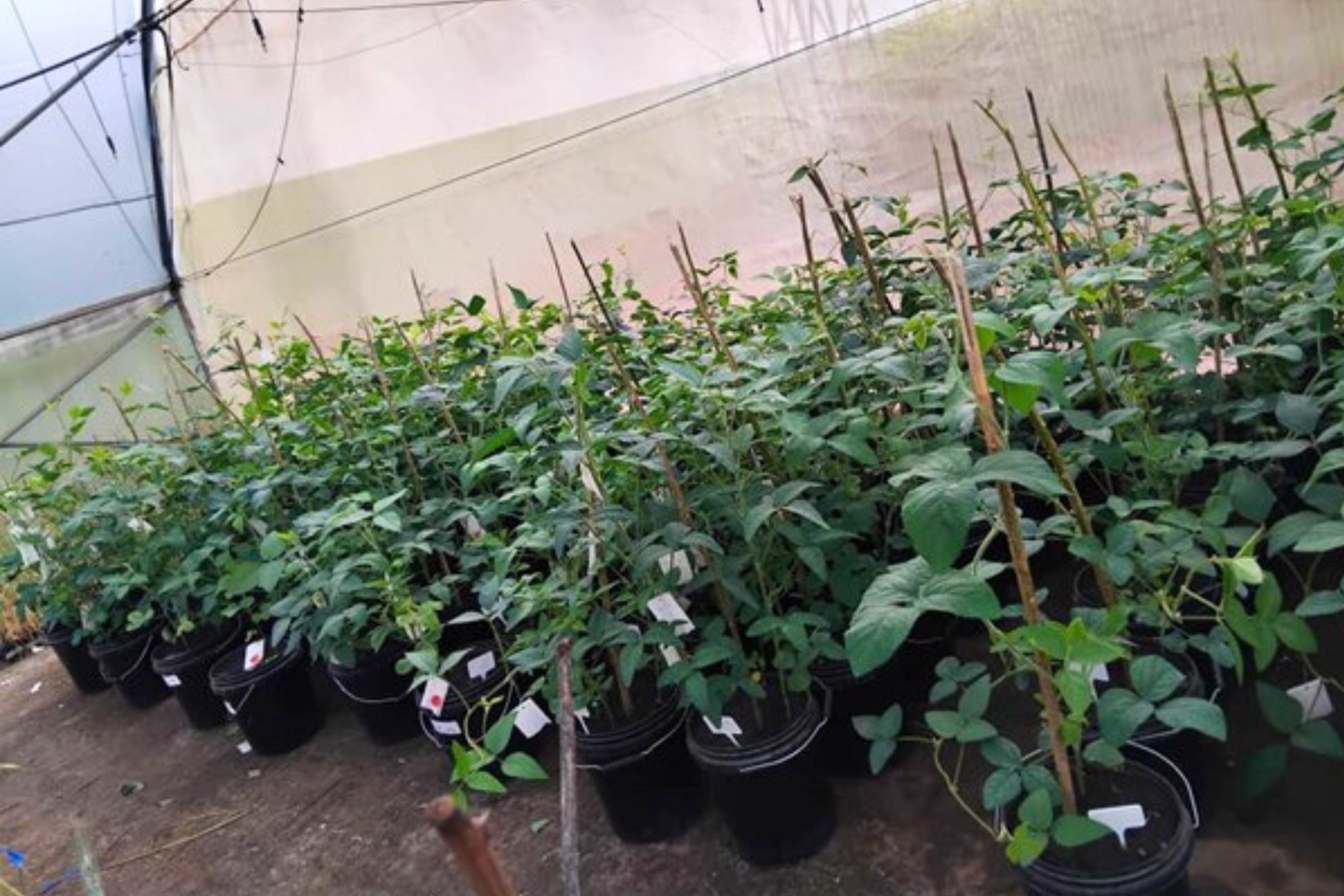
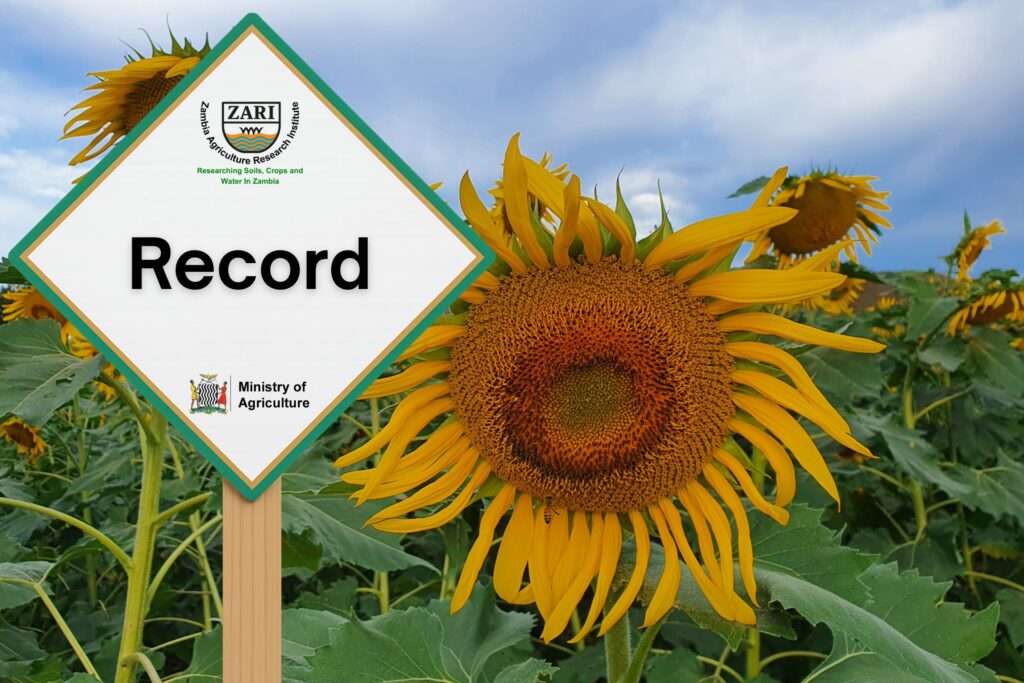
This activity involves establishing and managing nurseries dedicated to developing and evaluating new breeding lines. The focus is on genetic improvement and enhancing desirable traits such as yield, disease resistance, stress tolerance, and quality. These nurseries provide controlled environments for systematic selection, cross-breeding, and observation, enabling researchers to identify superior lines that can be further advanced for farmer adoption. They also serve as key sites for testing performance under varying environmental conditions and for training staff and farmers on improved breeding techniques.

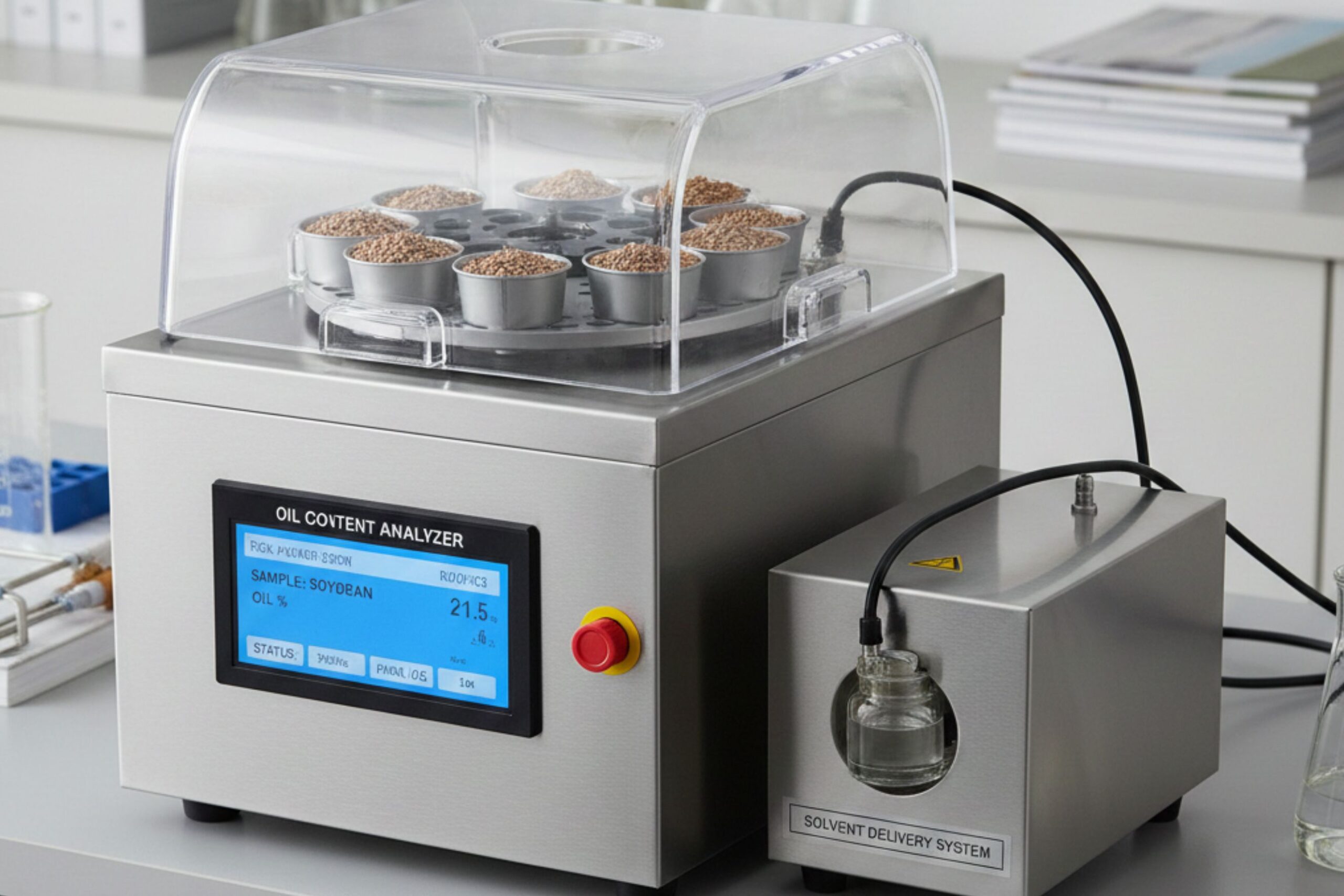
Oil Content Analysis

Laboratory-based assessments are conducted to determine the oil content of harvested seeds, a key factor for both breeding and market value. Accurate measurement of oil content guides the selection of high-performing varieties, informs crop improvement decisions, and helps farmers and processors focus on seeds with the greatest economic potential.

Latest News on Farming Systems Research

What we do