By Dorcas Kabuya
Small-scale farmers in Choma, Chipata and Mumbwa districts have welcomed new knowledge on the use of organic pesticides, saying the approach will help them reduce production costs while protecting their health and the environment. The farmers shared their experiences after a training facilitated by researchers from the Zambia Agriculture Research Institute (ZARI), Department of Agriculture, Participatory Ecological Land Use Management (PELUM) Zambia which focused on sustainable pest and disease management using locally available plants.
The training forms part of the Research in Agro-ecology Network for Southern Africa (REANS) project, funded by the European Union and implemented by the ZARI in collaboration with other stakeholders to strengthen agro-ecology research and knowledge, promote regenerative farming practices in Southern Africa.
Speaking after the training, farmer, Chiluba Handondo, said the lessons on organic pest control had opened their eyes to safer and more affordable farming practices. Mr. Handondo explained that farmers often rely on agrochemicals purchased from agricultural shops, yet many are not always aware of the pre-harvest intervals required before crops can be safely consumed. “We have learnt that most agrochemicals require time to break down before crops can be harvested and eaten,” he said. “But with organic methods such as using chilli, neem and Mululwe, farmers can spray their crops and still consume them the following day without risking their health.” He added that many of the plants used to make organic pesticides grow naturally in the area, though farmers had previously not known about their agricultural benefits. “We are excited because these plants are readily available in our communities. In the past, we spent our limited resources buying chemicals to protect our crops,” he said. Mr. Handondo further called for wider dissemination of the knowledge so that more small-scale farmers can adopt safer pest management practices.
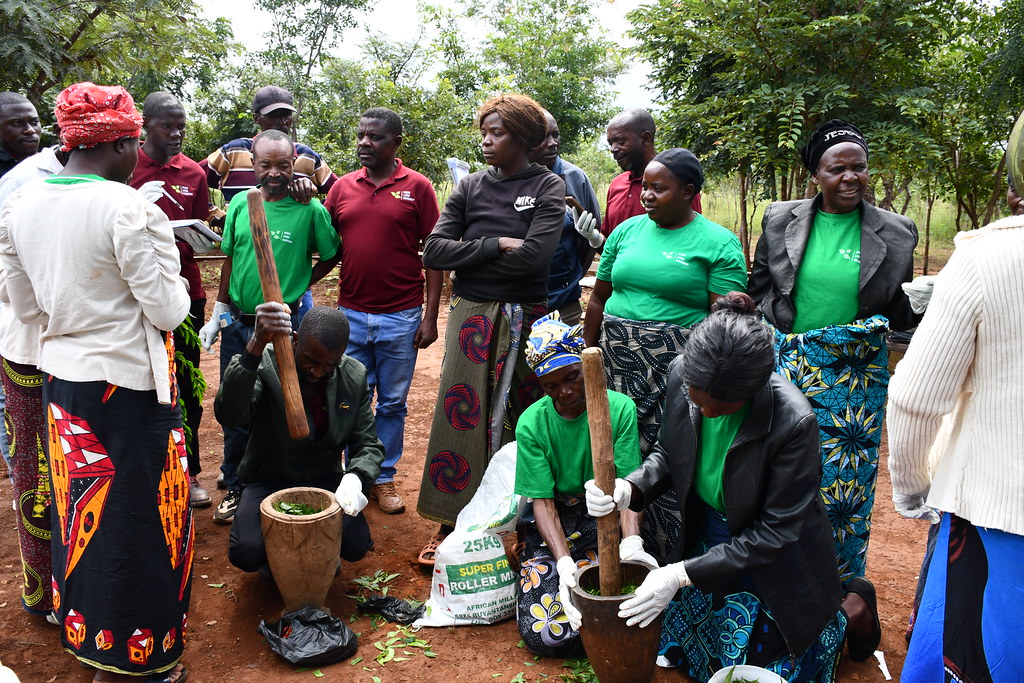
Another farmer, Brilian Mukando, said pest infestations have been a major challenge in her farming activities, particularly from destructive pests such as the Fall Armyworm, whiteflies and aphids. Ms. Mukando said the training had equipped farmers with practical solutions to manage pests and diseases using sustainable methods. “Through ZARI, we have learnt the importance of crop rotation in managing pests and diseases. We have also been taught how to prepare organic pesticides using plants that are readily available in our area,” she said. She added that some of the plants used to prepare organic pesticides are already grown in farmers’ fields and homes.
“It is interesting that some of these plants, such as chillies, pawpaw leaves and onions, are crops we already grow but did not realise they could help us control pests,” Ms. Mukando said.
Another farmer in Chipata, Ephraim Kamoto, said many farmers spend large sums of money on chemical pesticides without realising that some effective pest control solutions are readily available in their surroundings. Mr Kamoto noted that the training had also emphasised the importance of prevention in pest management. “When you prevent pests before they attack your crops, it becomes cheaper for the farmer because pests are also responsible for bringing diseases into the crops,” he said. Mr. Kamoto urged farmers who often miss such meetings to make an effort to attend, saying continuous learning is key to successful farming. “Education in farming does not end. When farmers attend these meetings, they learn new ways of improving their work. Farming is also a business, so knowledge helps us manage it better,” he said. Mr. Kamoto also highlighted the link between Integrated Pest Management and agroecology, noting that both approaches promote environmentally friendly farming practices and the protection of beneficial insects. “Not every insect in the field is harmful. Some insects are very useful because they feed on pests that damage crops. By using these methods, we maintain the health of crops while protecting useful insects,” he said.
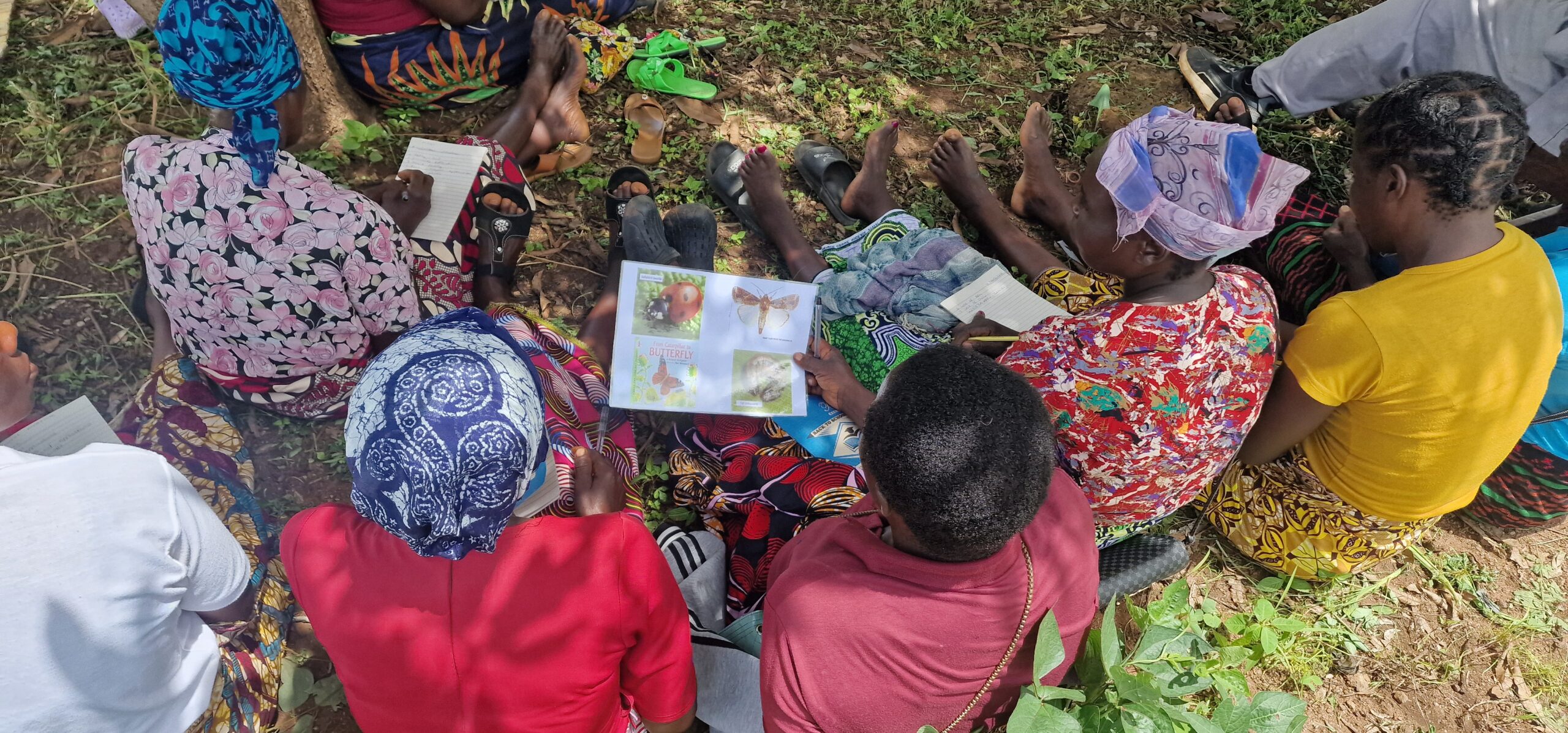
Meanwhile, a farmer from Mumbwa District, Annie Mulemena, shared how indigenous farming knowledge passed down through generations continues to play an important role in sustainable agriculture. Mrs. Mulemena explained that she learnt traditional pest and soil fertility management methods from her grandmother, which she is now passing on to her children and other farmers in her community. “We were exchanging knowledge on indigenous ways of controlling pests and diseases in our fields. One method I shared with fellow farmers is the use of ashes, something I learnt from my grandmother,” she said. According to Mrs. Mulemena, her grandmother would collect ashes after cooking and store them in sacks for use in the fields adding that ashes were then mixed with manure from goats and chickens before being placed in planting holes, a method used in pothole farming. “She would mix the ashes with manure and put the mixture in the holes, then cover it with a bit of soil and wait for the rains before planting,” Mrs. Mulemena said.
She added that the practice was combined with intercropping, such as planting maize together with pumpkin leaves, beans, cowpeas, which helped improve soil fertility and crop health. Mrs. Mulemena noted that the ash and manure mixture was applied at stages when many farmers today apply chemical fertilisers such as basal and top-dressing fertilisers. “My grandmother would scout all her fields and give us ashes in a plate to apply like fertiliser and also sprinkle on the crops in the field,” she said. She explained that when rains fell, the ash-manure mixture helped crops absorb nutrients through the roots, resulting in vigorous crop growth. “The crops would grow healthy and the food was tastier,” she added.
Farmers say the exchange of knowledge between researchers and farming communities is helping revive traditional agricultural practices while promoting agro-ecological approaches that are safer, affordable and environmentally friendly. -NAIS