Cereal Improvement Programme

Overall Objective

The cereal research programme is designed to deliver high-performing, climate-smart varieties that respond to Zambia’s diverse production environments and evolving farmer and market needs. The programme prioritises yield stability, resilience to climate stress, and grain quality, ensuring that cereals remain reliable contributors to national food security, household incomes, and agro-industrial value chains.

Breeding efforts emphasise tolerance to drought and heat, resistance to major pests and diseases, and adaptability to low- and medium-input production systems. Varieties are selected for consistent performance under variable rainfall while remaining responsive to improved crop management practices, including fertiliser use and, where applicable, irrigation.

Strong emphasis is placed on early to medium maturity and broad adaptation, enabling farmers to reduce production risk and better align cropping calendars with increasingly unpredictable seasons. Grain quality traits are integrated throughout the breeding pipeline to meet household consumption needs as well as requirements from traders, processors, and other end users.

Genetic materials advance from crossing and early-generation selection through rigorous multi-location testing and national performance trials prior to release. The programme is supported by practical, farmer-friendly agronomy guidance on planting time, spacing, nutrient management, and water use, ensuring that released varieties are both productive and easy to adopt across Zambia’s cereal-based farming systems.

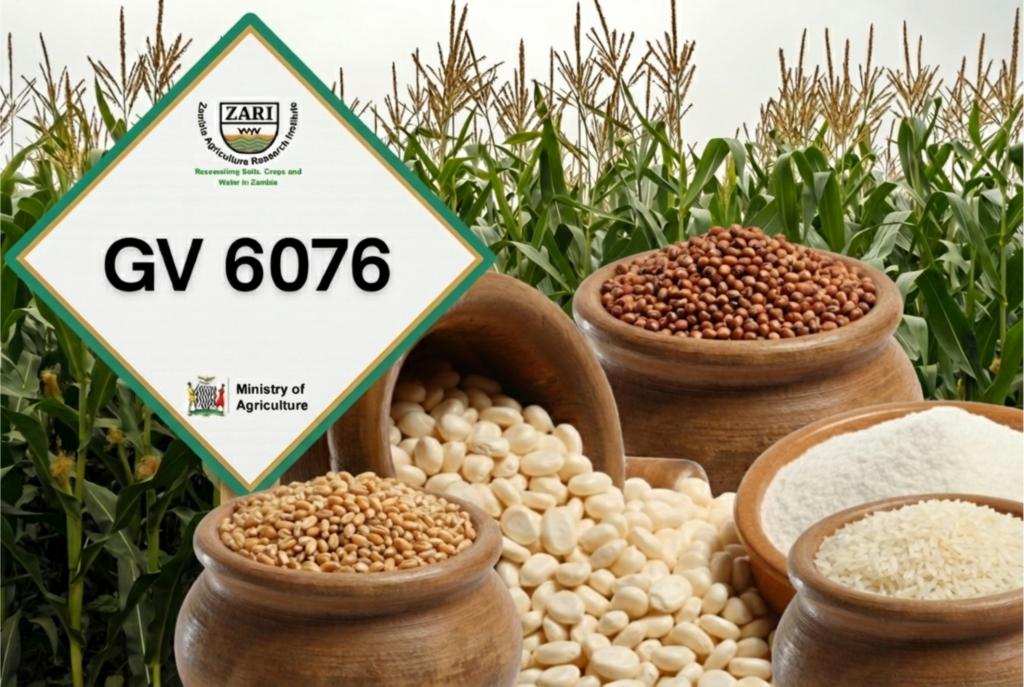


At the implementation level, the cereals research team runs three programmes—maize, sorghum & pearl millet, and wheat—to address the distinct production environments and market demands within the cereal sector.

Our work

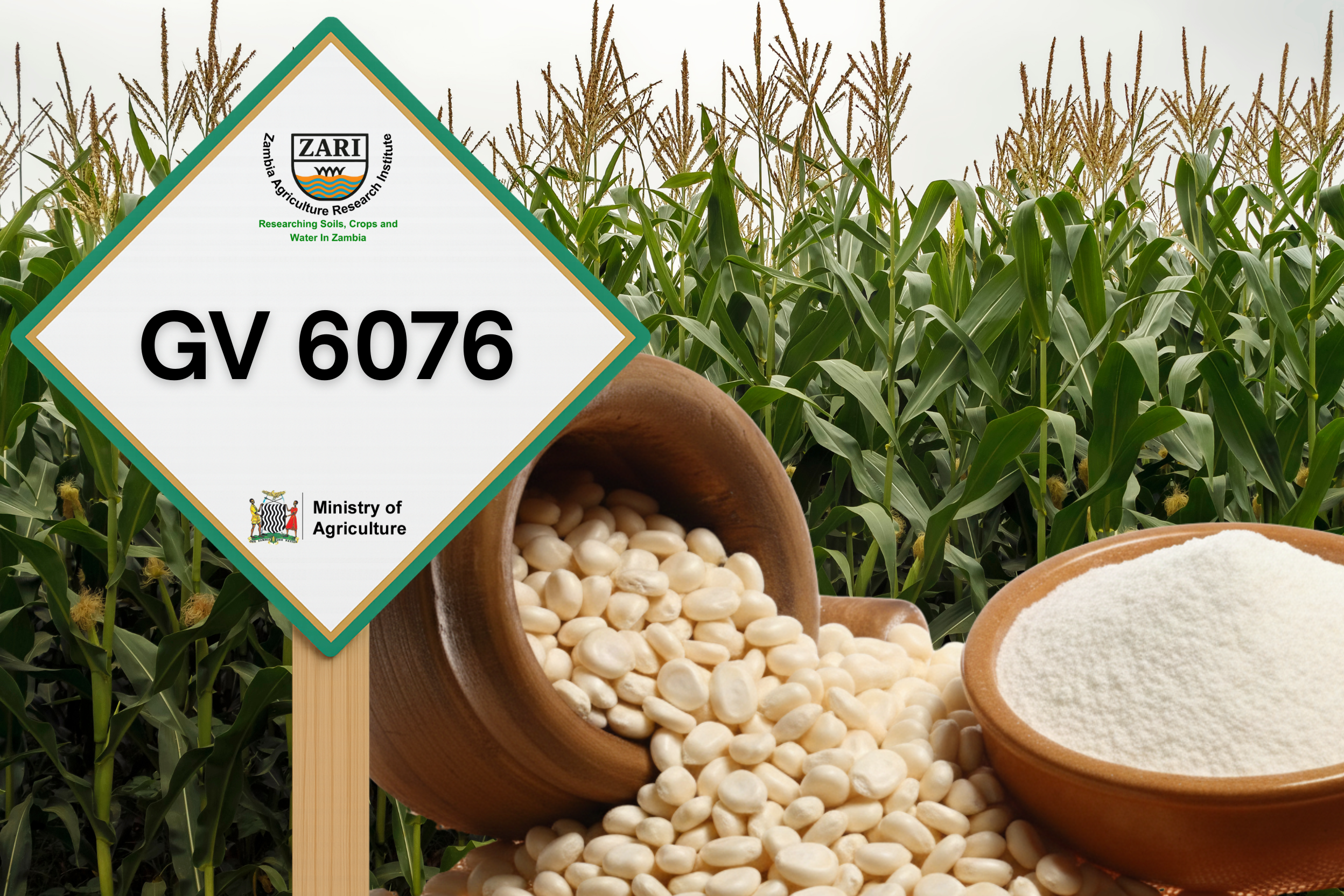
Maize Breeding Programme

The programme focuses on developing varieties with strong drought and heat tolerance, resistance to major pests and diseases, and stable grain quality suited for both household consumption and the market. Breeding lines are selected to perform under variable rainfall and low to medium input systems, while also responding well to improved management. Emphasis is placed on early to medium maturity, standability, and yield stability across seasons.

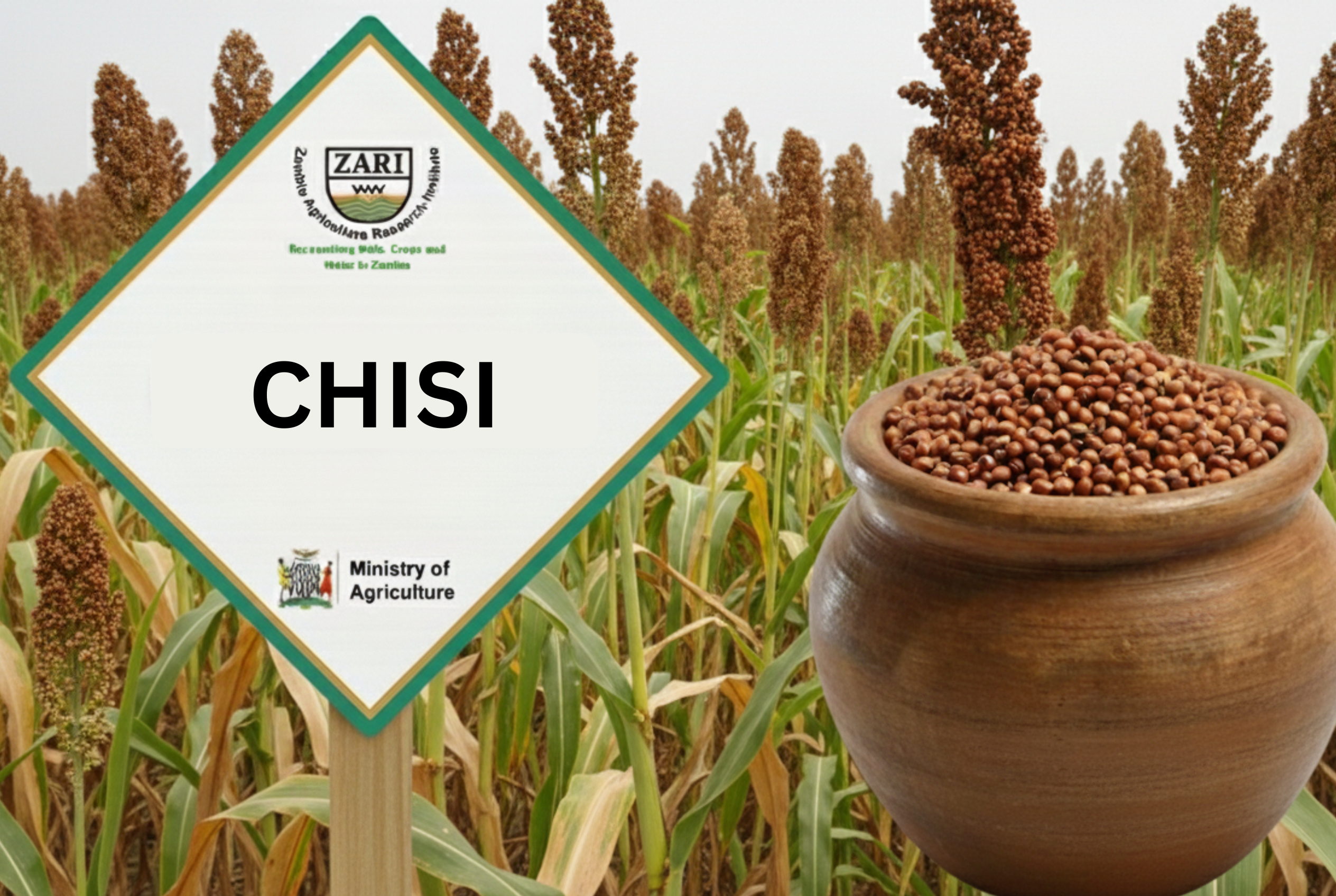
sorghum and pearl millet programme

The programme targets hardy, resilient crops for low- to medium-rainfall areas and marginal soils where maize production is risky. Research prioritises early-maturing, drought-tolerant lines with good grain quality and adaptability to traditional and emerging uses. These crops are positioned as reliable options for climate resilience, food security, and diversified farming systems, particularly for smallholder farmers in drought-prone regions.

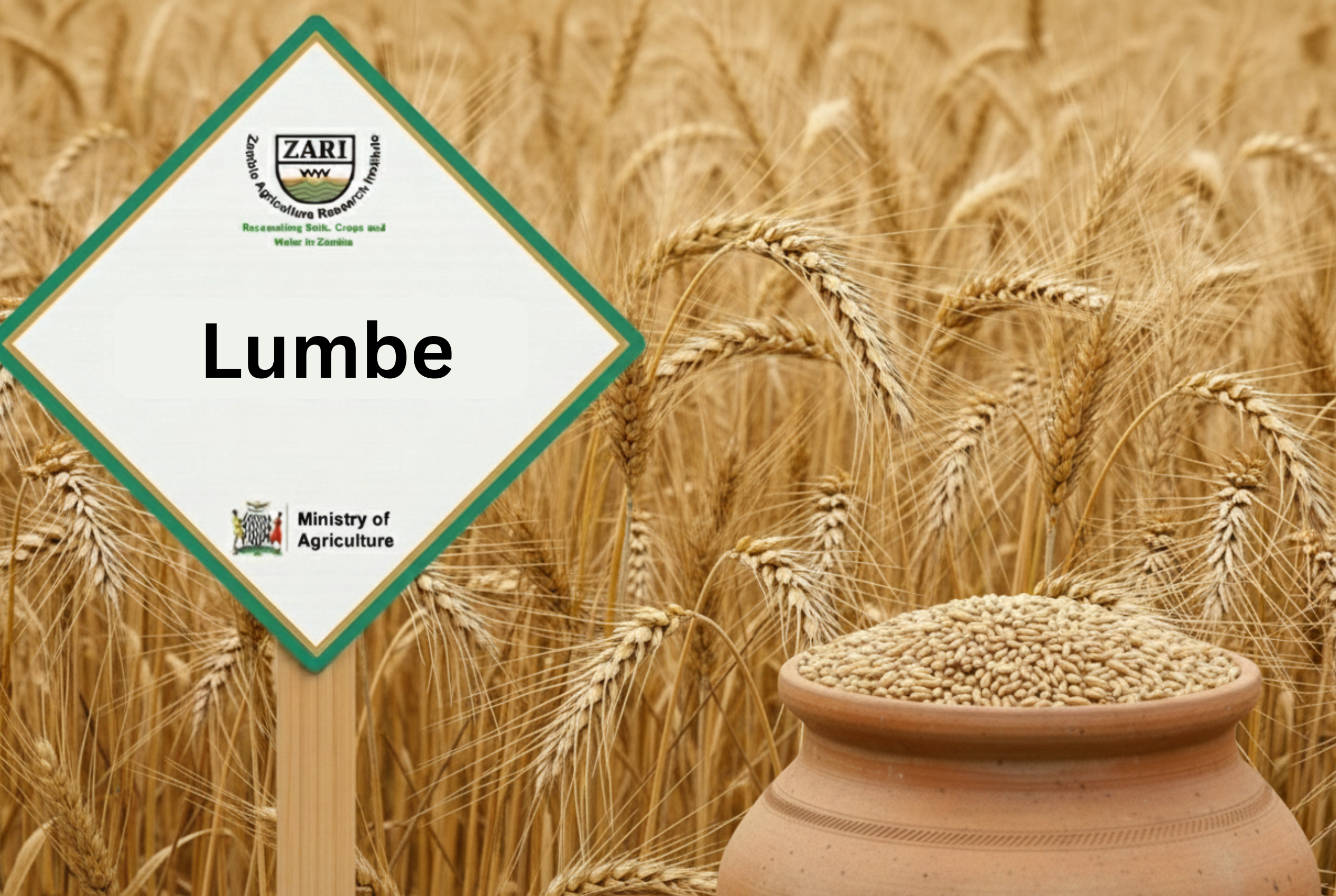
wheat programme

The programme concentrates on developing high-yielding varieties with good baking and processing quality that perform reliably under both rainfed and irrigated production systems. Selection emphasises strong adaptation to Zambia’s irrigation conditions, tolerance to key diseases, efficient water and nutrient use, and stable grain quality that consistently meets miller and baker requirements.

Latest News on Farming Systems Research

What we do