Crop Improvement and Agronomy

The CIA Division develops and adapts crop varieties and practical agronomy packages for smallholder, emergent, and commercial farmers across Zambia’s agro-ecological regions. Work spans the full pipeline—from priority setting and germplasm evaluation to on-station and on-farm trials, variety release, and delivery of clear, season-ready management guides (planting dates, spacing, fertiliser and lime rates, water/soil management, and pest–disease control).

The Division partners with research stations, universities, seed companies, NGOs, and extension to test technologies under real farm conditions and diverse soils, rainfall patterns, and markets. Emphasis is on climate-smart and nutrition-sensitive options (drought/heat tolerance, pest and disease resistance, biofortified crops), crop diversification, and cost-effective input use. Outputs include released varieties, regional agronomic recommendations, seed production guidelines, demonstration plots and field days, and easy-to-use advisory materials that raise yields, cut risk, and improve profitability. The Division comprises the Cereal Improvement Programme, Food Legumes Improvement Programme, National Oil Seeds Development Programme, Tree & Plantation Crops, Vegetables, Root & Tuber Crops, and Plant Genetic Resources units.


Cross-Cutting Themes

Cereal Improvement Programme

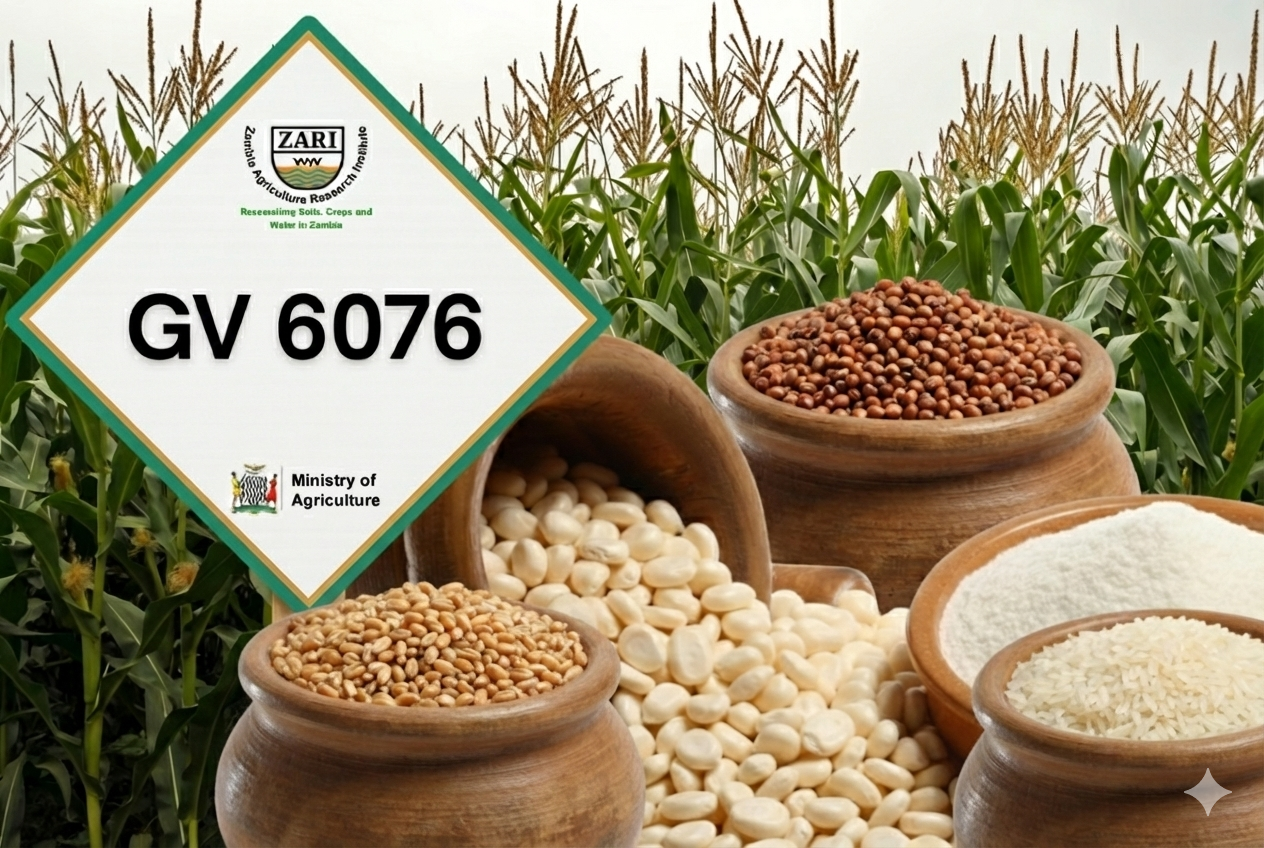
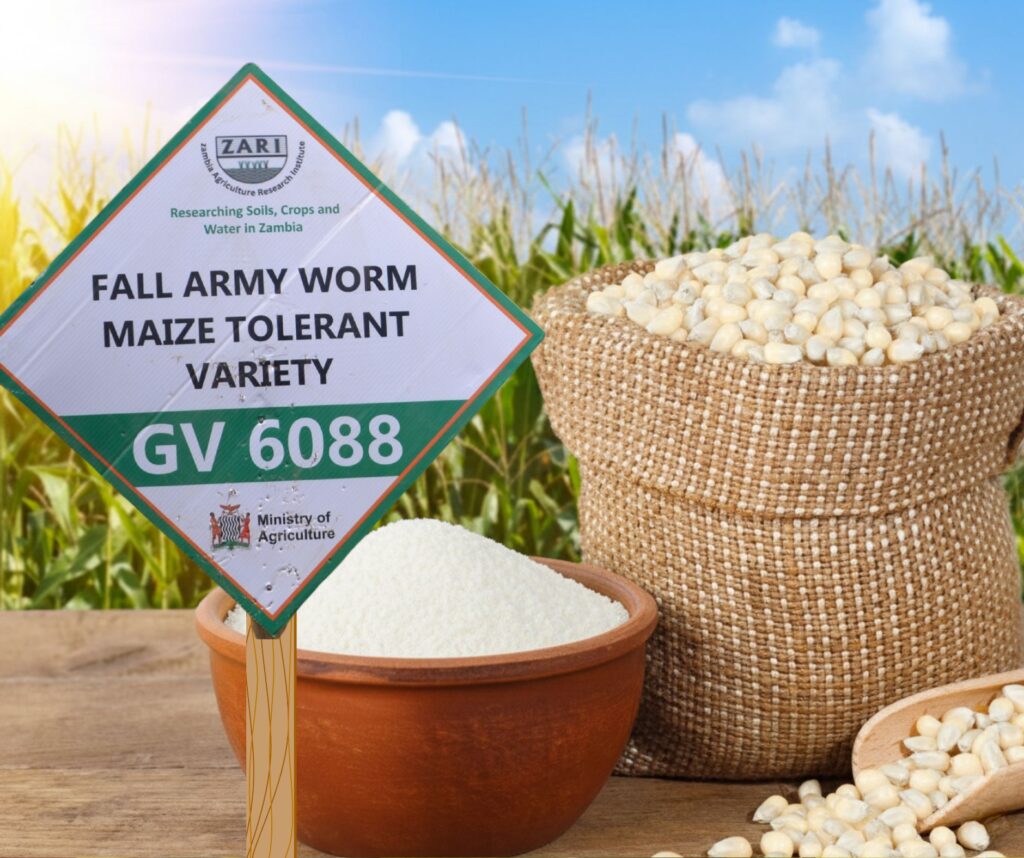
The cereals research team runs three programmes—maize, sorghum & pearl millet, and wheat—to deliver high-yielding, climate-smart varieties adapted to Zambia’s conditions. Maize work targets drought/heat tolerance, pest and disease resistance, and good grain quality; sorghum and millet focus on hardy, early-maturing types for low to medium rainfall and marginal soils; wheat prioritises yield, baking quality, and performance under irrigation. Each programme carries lines from crossing to multi-location testing and release, with simple agronomy guides for planting, fertiliser, and irrigation.

Food Legumes Improvement Programme

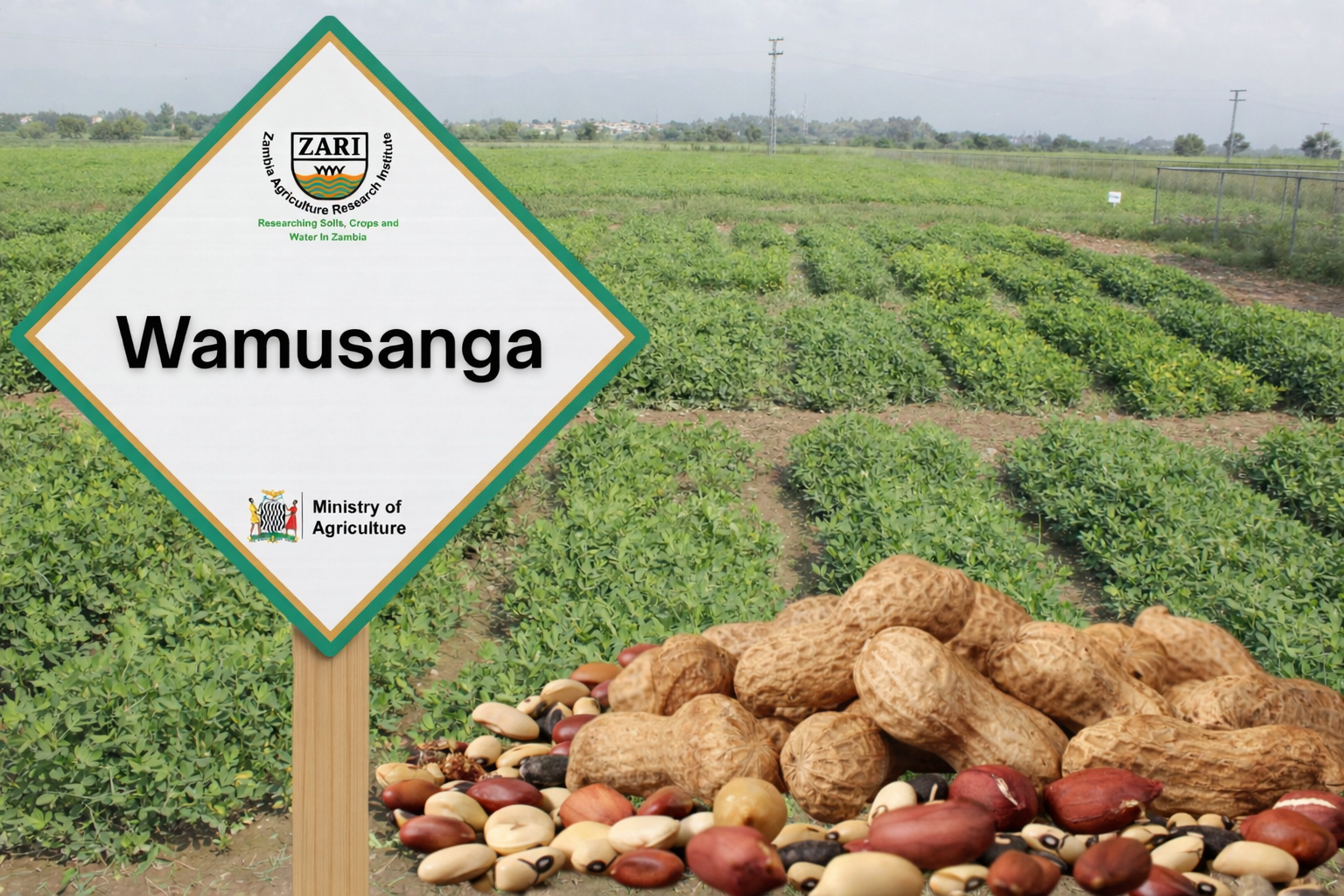
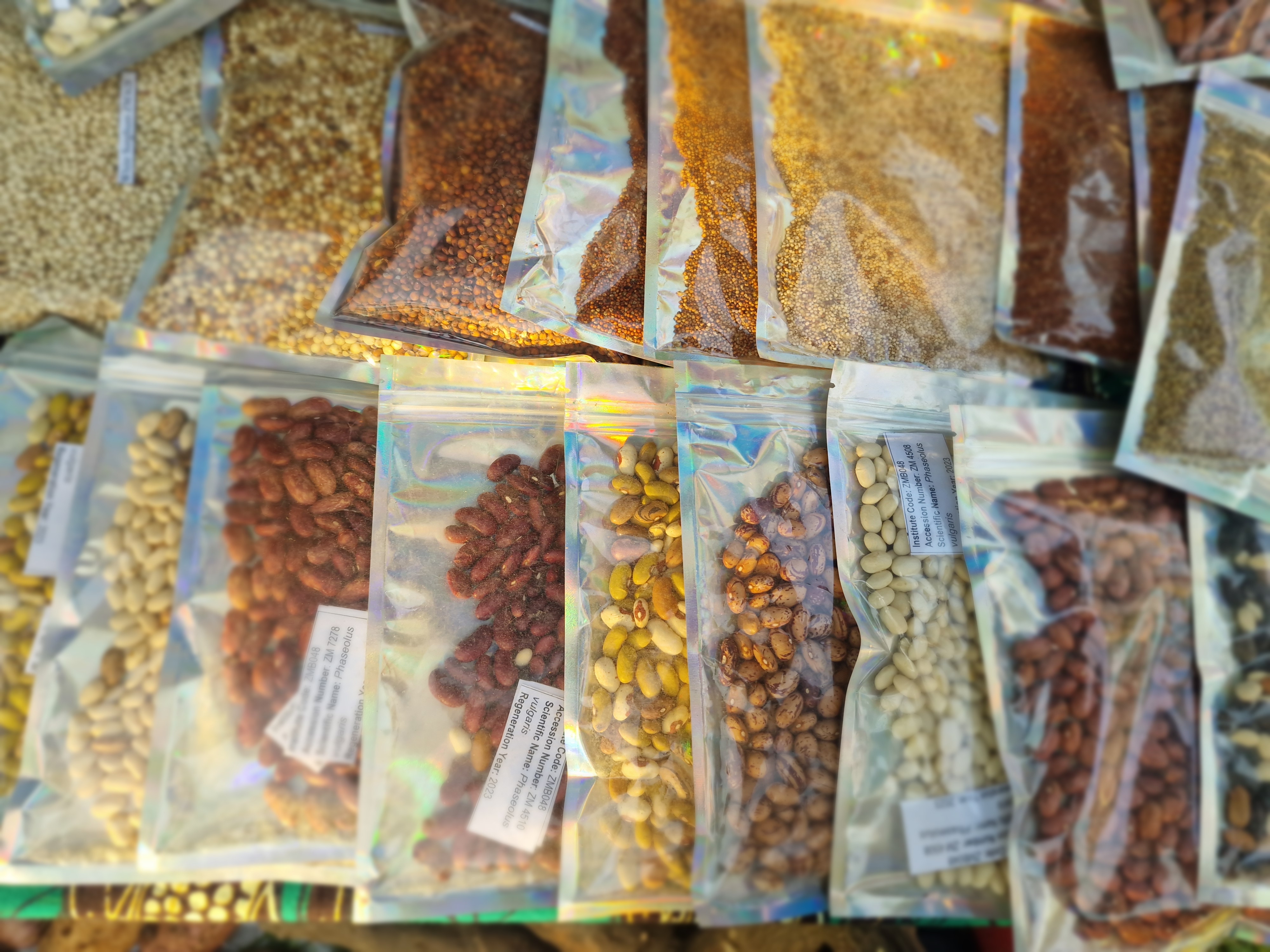
The programme breeds key food legumes common bean, cowpea, and groundnut to deliver varieties that yield well, mature early, and cope with drought, heat, and common pests and diseases. Breeding also targets market traits (seed size, colour, taste, shorter cooking time), nutrition (protein, iron, zinc), and dependable nodulation for biological nitrogen fixation. Candidate lines are tested across multiple sites and seasons before release, and each new variety comes with a simple agronomy package covering planting windows, spacing, fertiliser/lime needs, inoculant use (where relevant), and integrated pest management. The team works with seed companies, cooperatives, and extension services to multiply breeder/foundation seed into certified seed, run demo plots and field days, and gather farmer feedback—so improved food legume varieties reach the market quickly and perform reliably on farms.

National Oil Seeds Development Programme

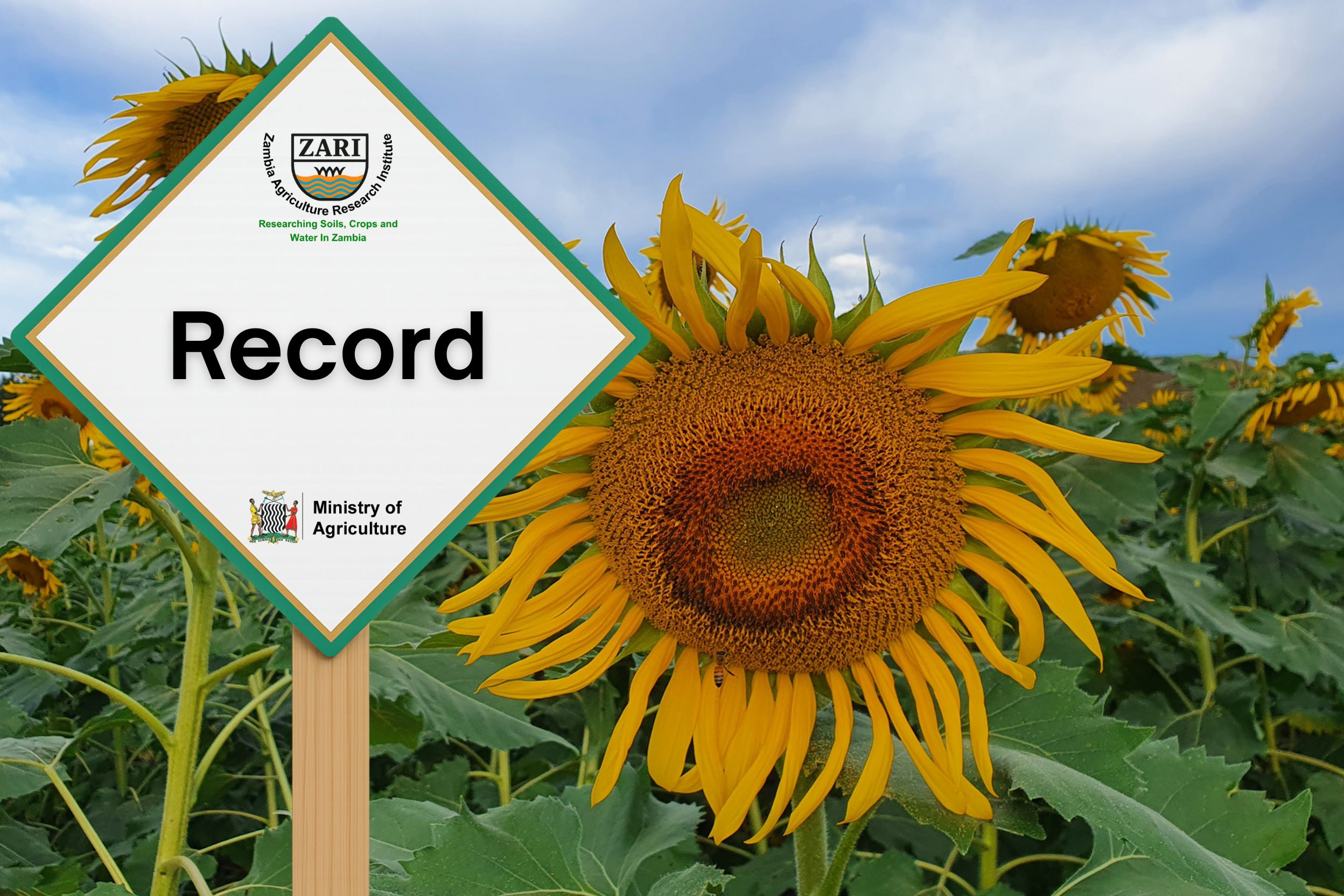
The main objective of the National oil seeds research and development programme is to contribute towards the attainment of self-sufficiency in oilseeds production with a view to export by providing crops that are suitable and acceptable for production by a wide range of farmers in Zambia. The programme has achieved a lot since its establishment. It has released 9 sunflower varieties, 5 hybrids and 4 composites. It is hoped that the programme will release varieties in other oil crops such as sufflower, jatropha and castor .

Tree Crops

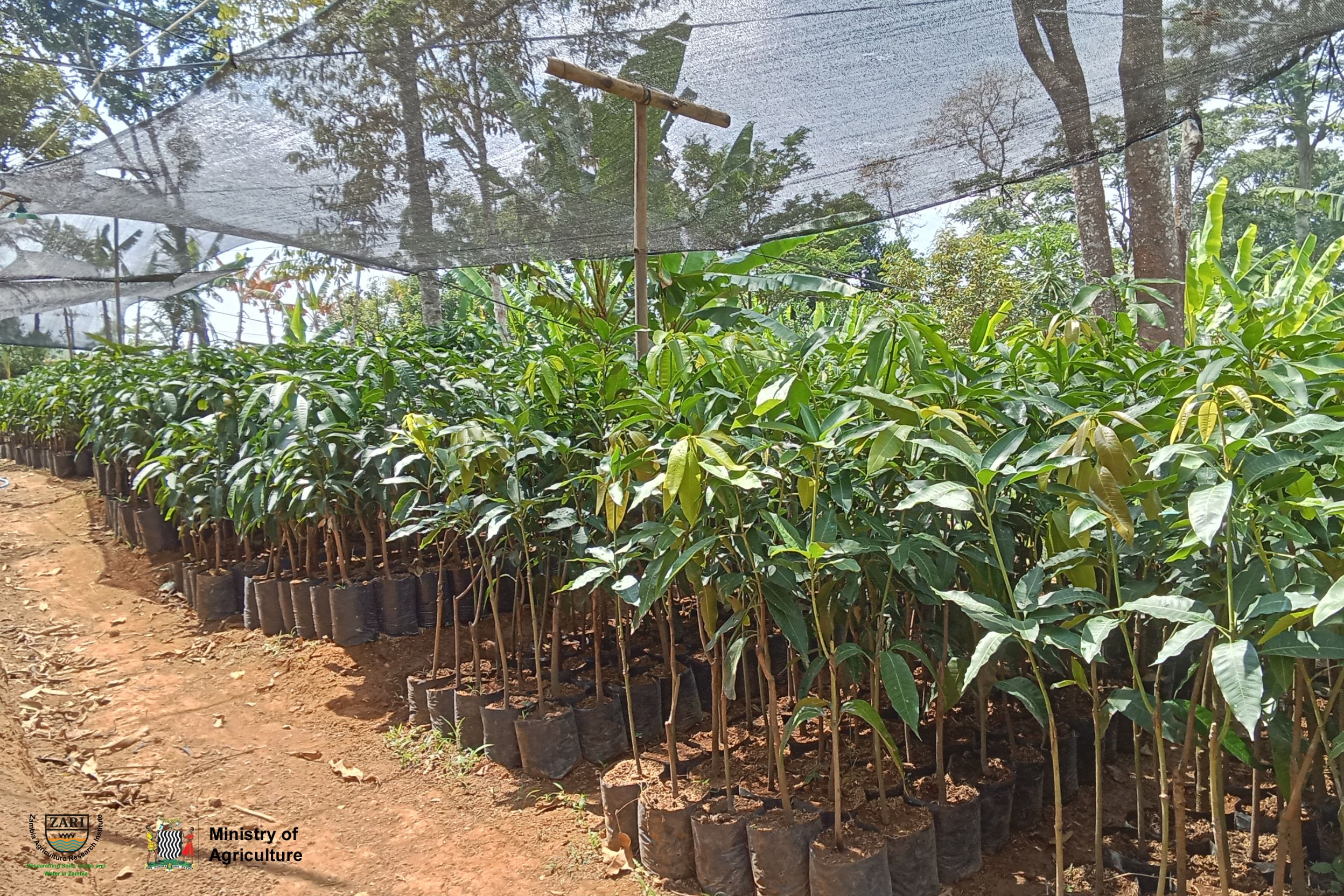
The Tree Crops Research Programme is a long-established component of agricultural research in Zambia, with a mandate to support the development and sustainable production of fruit and plantation crops suited to the country’s agro-ecological conditions. The programme focuses on generating practical, science-based solutions that enhance productivity, quality, and resilience of tree crops, while contributing to household nutrition, income generation, and diversification of the agricultural sector.

Vegetables

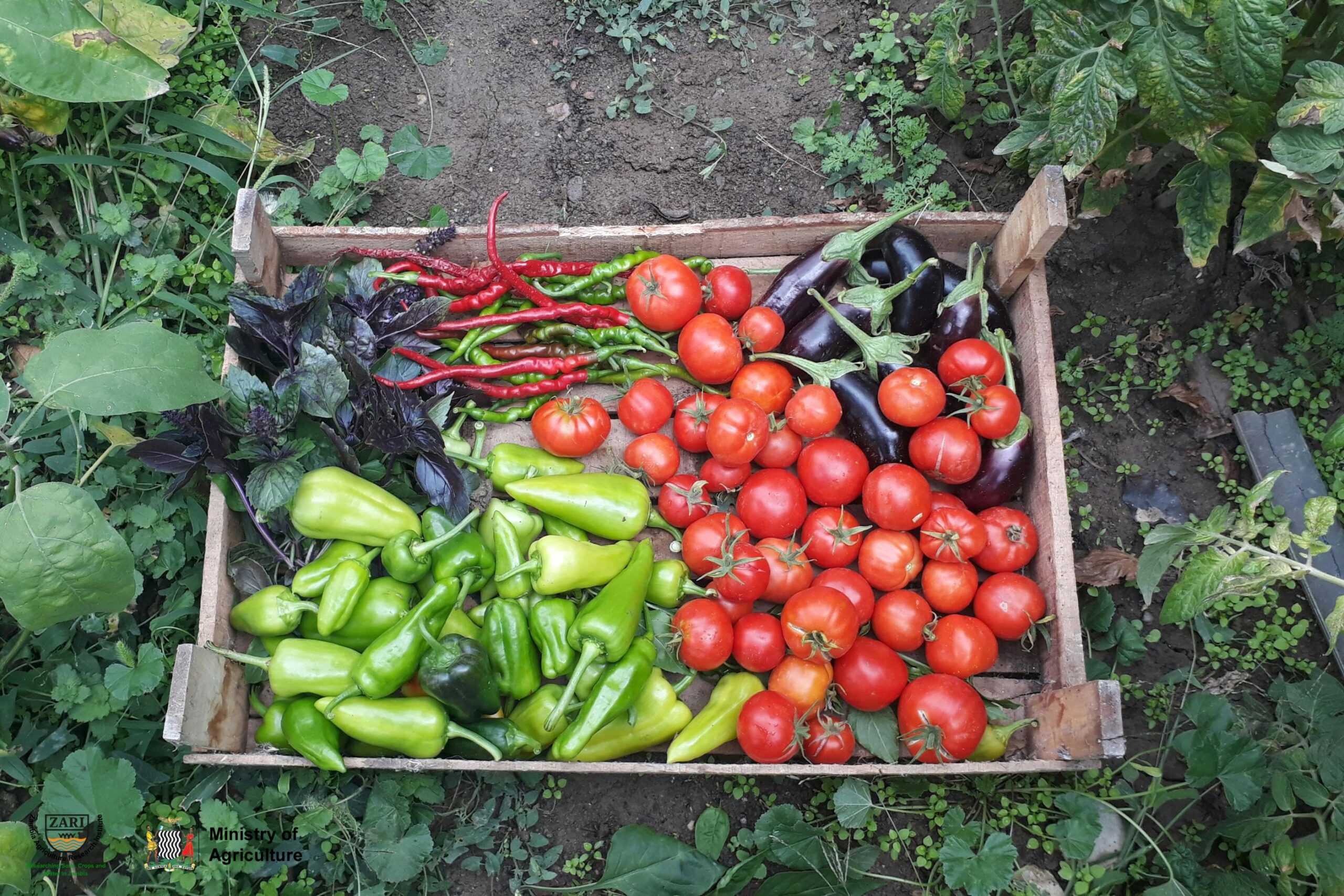
This focuses on boosting production to meet dietary needs, achieve self-sufficiency, and create export surplus. Work covers cultivar improvement (yield, earliness, heat/drought tolerance, flavour, shelf-life), agronomy (planting windows, spacing, fertigation and irrigation schedules, mulching, protected cultivation), and plant protection using integrated pest management with safer chemistries and biocontrols. The team also develops indigenous vegetables—such as amaranth, spider plant, and African eggplant—for nutrition, resilience, and market value, and strengthens seed systems through seed quality testing, basic/foundation seed production, and on-farm seed handling guides. Outputs include released cultivars, simple production manuals, post-harvest and cold-chain tips to cut losses, and demo plots and field days that help farmers scale profitable, nutrient-dense vegetable enterprises.

Root and Tuber Crops

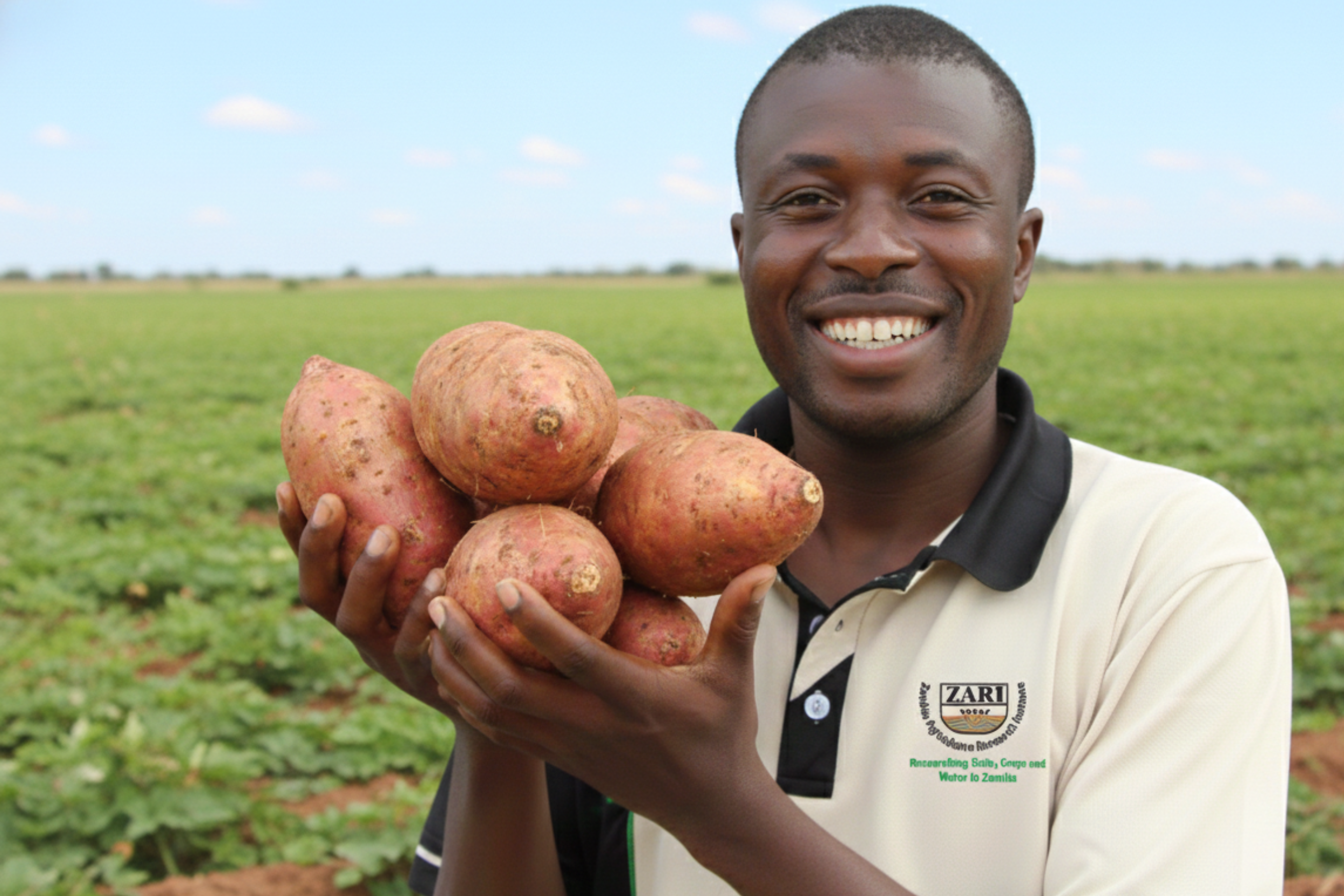
This focuses on cassava and sweetpotato, delivering high-yield, resilient, and market-fit varieties with traits like drought tolerance, pest/disease resistance, high dry matter/starch (cassava), and pro-vitamin A (sweetpotato). Work runs from nursery to multi-location trials and farmer demos, paired with simple agronomy packages (planting density, ridging, fertiliser/lime, moisture conservation). A key pillar is clean planting material systems—rapid multiplication of vines/cuttings and quality seed protocols to keep diseases out. Outputs include released varieties, easy production guides by region, and training/field days to help farmers scale reliable, profitable root-and-tuber enterprises.

National Plant Genetic Resources Centre

Zambia’s genebank conserves the country’s crop diversity so breeders and farmers can develop resilient, nutritious, and productive varieties. It holds ~7,000 accessions across 49 crop species, plus crop wild relatives. Orthodox seeds are dried and stored long-term at −18 °C, while vegetatively propagated crops (e.g., cassava, sweetpotato) are kept in field genebanks. The centre documents, safety-duplicates, and shares materials under national guidelines to support food security and sustainable agriculture.