Tree crops research in Zambia dates back to the 1940s, beginning with early efforts to introduce and evaluate oil palm. The scope of research expanded over time to include coffee in the late 1950s and tea in the 1960s, laying the foundation for a structured programme that was formally established in the early 1970s. Since then, the programme has evolved in response to changing production systems, market demands, and emerging challenges such as climate variability, pests, and diseases.
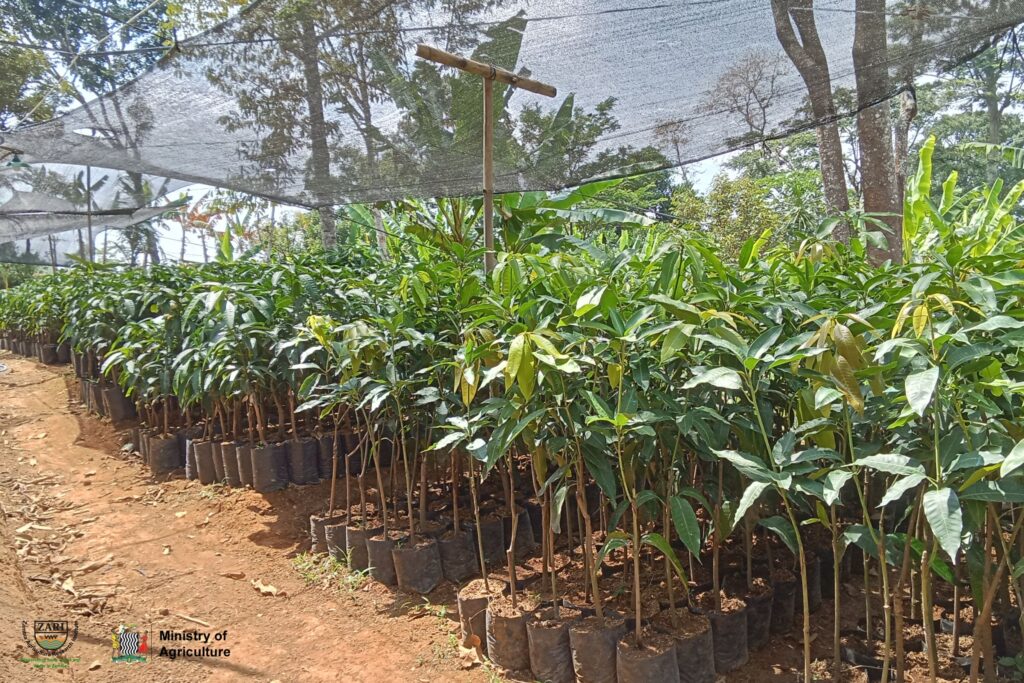
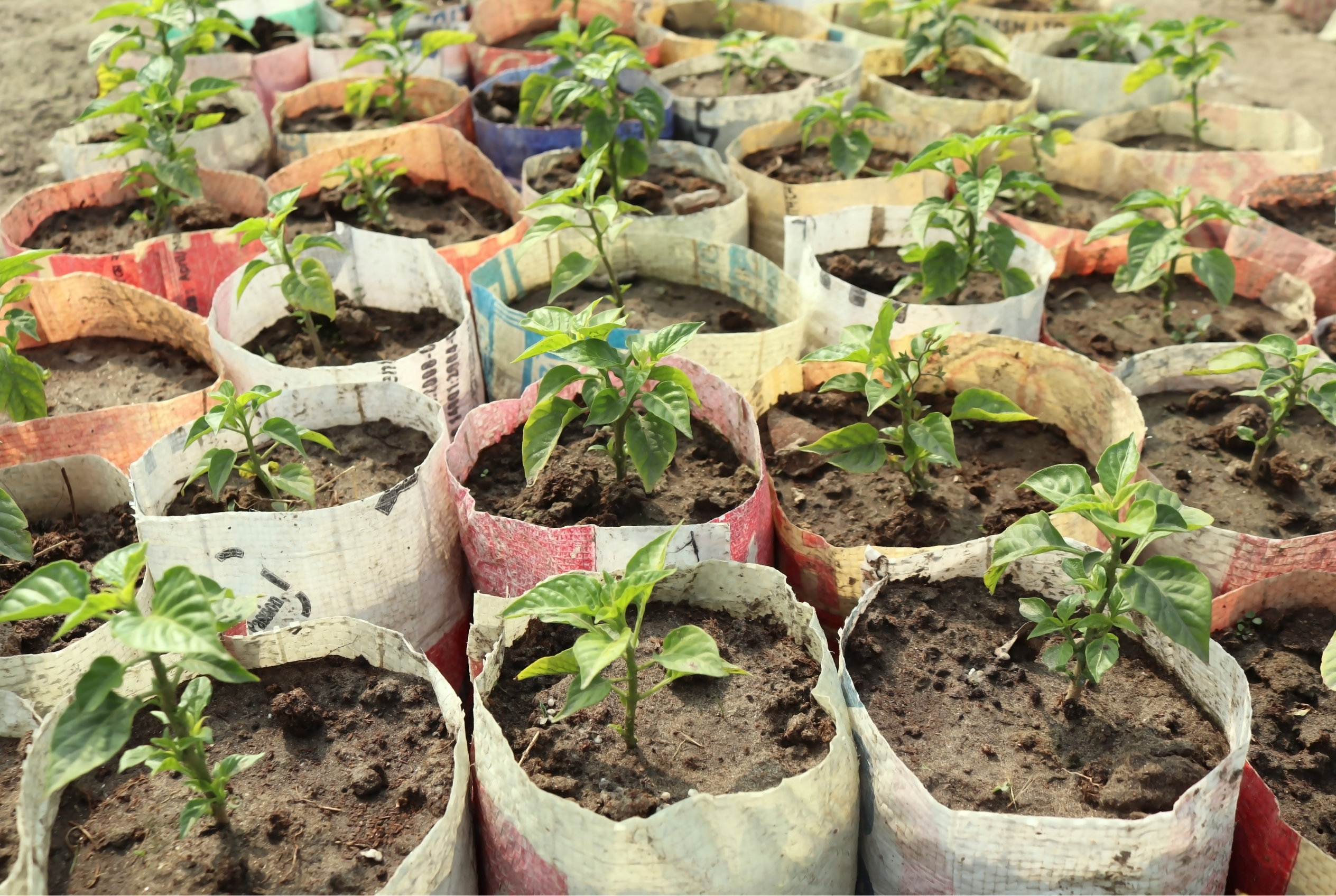
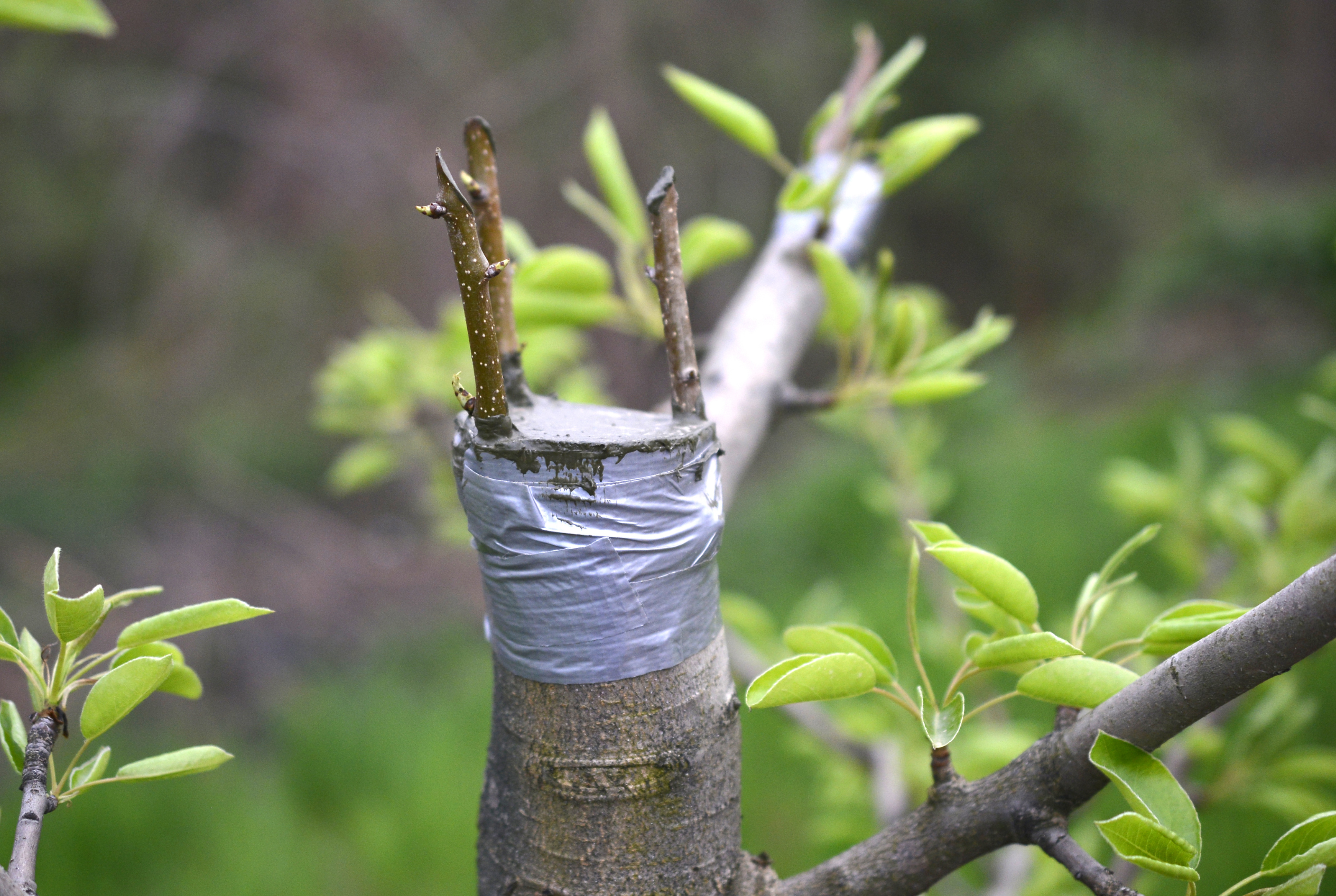
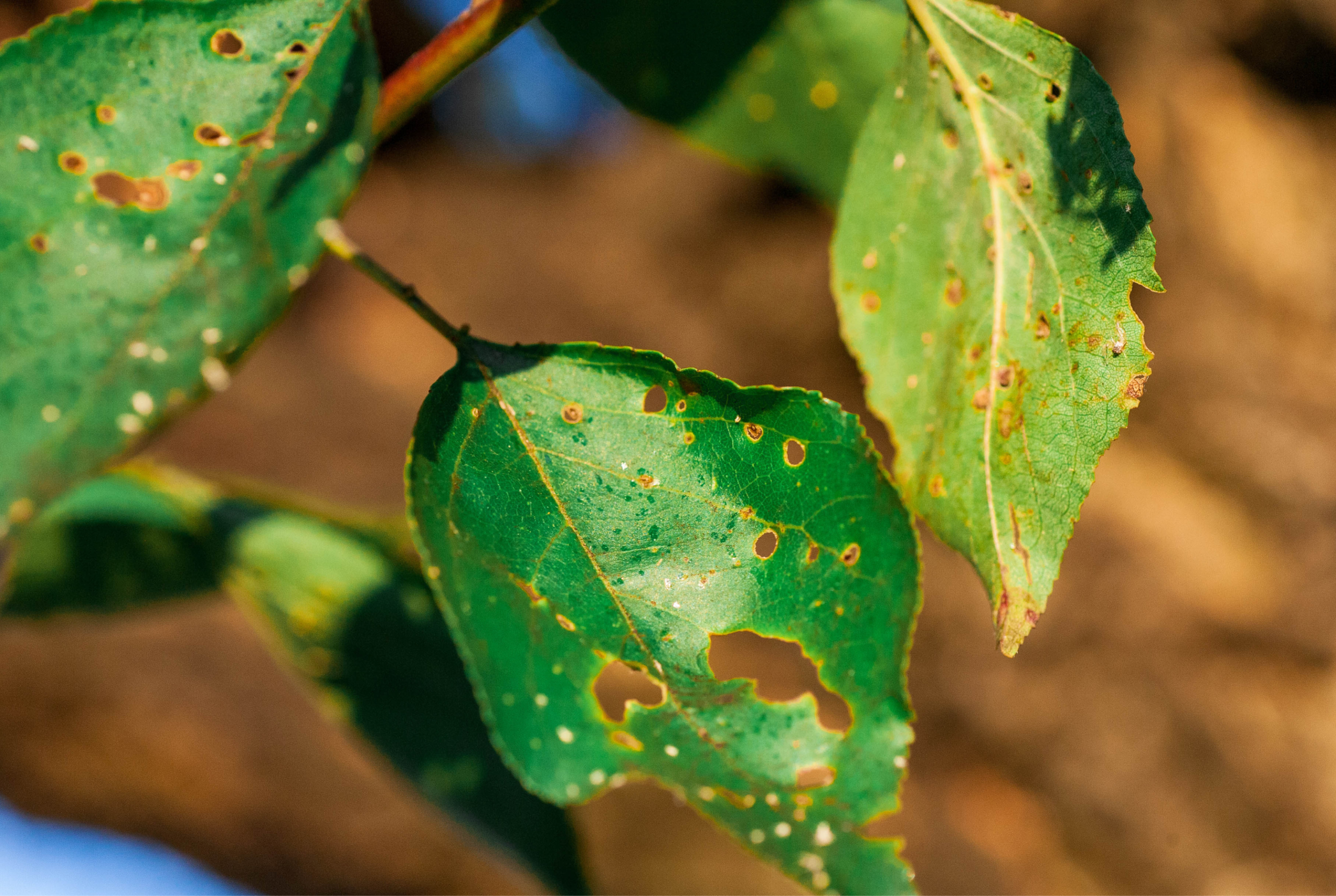
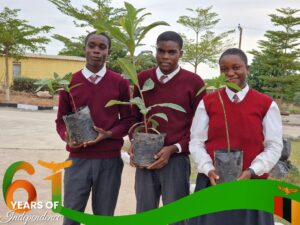
The programme’s work centres on identifying tree crops with strong potential for Zambia, developing complete production and propagation packages, and addressing key constraints affecting productivity. Research activities have included cultivar evaluation, nutrient requirement and supplementation studies, intercropping systems, and propagation methodologies aimed at producing high-quality, disease-free planting materials. Over the years, a wide range of tree crops have been evaluated, including mango, citrus, banana, coffee, tea, cashew nut, grapes, peaches, palm trees, loquats, passion fruit, and moringa.
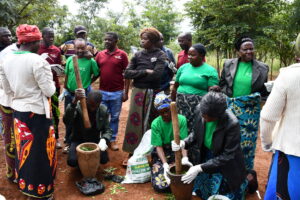
Through applied research and close linkages with extension and other stakeholders, the Tree Crops Research Programme continues to support the expansion of viable, productive, and resilient tree crop systems in Zambia.