The Zambia Agriculture Research Institute (ZARI), in collaboration with the Seed Control and Certification Institute (SCCI) and the Plant Quarantine and Phytosanitary Service (PQPS), successfully hosted the 2026 National Research & Seeds Field Day on 2nd April 2026 at Mount Makulu Central Research Station in Chilanga, under the theme “Fostering Trade and Investment Through Sustainable Agricultural Technologies and Value Chains.”
The event was officiated by the Minister of Agriculture, Honourable Reuben P. Mtolo, who emphasized the critical role of research, innovation and partnerships in transforming Zambia’s agricultural sector.

In his keynote address, the Minister highlighted Government’s commitment to positioning agriculture as a key driver of economic growth, job creation and food security. He stressed the importance of linking research, technology, trade and investment to build a resilient and market-oriented agricultural sector.
The joint Field Day brought together farmers, researchers, private sector players, cooperating partners and the general public, providing a platform to showcase cutting-edge technologies and innovations. Participants toured field trials and exhibitions, including demonstrations by seed and fertilizer companies, and engaged directly with experts.
The Minister also noted Zambia’s recent agricultural achievements, including a rebound in maize production to 3.9 million metric tonnes in the 2024/2025 season, attributing this success to research-driven solutions, improved extension services and timely government interventions.
ZARI’s continued contribution through the development of high-yielding, climate-resilient crop varieties were recognized as key to advancing crop diversification, strengthening the seed system, and enhancing national food security.
The event programme featured field tours, exhibitions, stakeholder engagement sessions, and knowledge sharing platforms, all aimed at promoting innovation adoption and 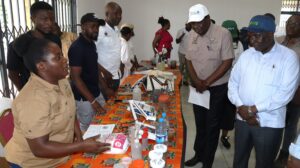 strengthening agricultural value chains.
As Zambia works towards ambitious production targets by 2031, events such as this joint Field Day remain vital in bridging the gap between research, regulation and practice.
Together, we are shaping the future of agriculture in Zambia.