
To generate and adapt appropriate technologies which facilitate the reduction of post-harvest losses and enhance the broad utilisation of food crops.
SPECIFIC OBJECTIVES
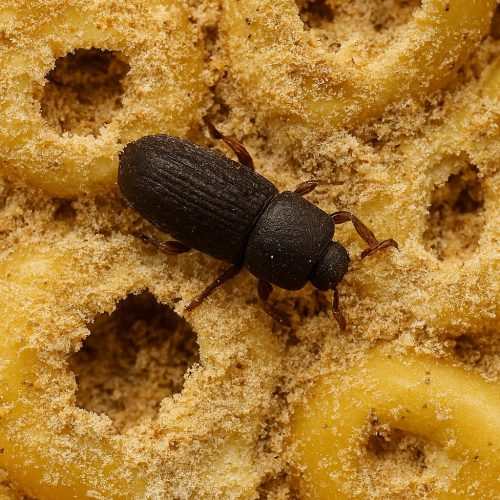
Storage Entomology
Insect pests are responsible for enormous losses in crop post-production in Zambia. The section identifies storage pests that are found in storage systems of grain, studies their behaviour and recommends management and control strategies. To reduce these losses, the team endeavours to develop strategies that would keep insect pest at an economic threshold level by integrating several control techniques. One is studying a selected plant material with both medical and insecticidal properties, incorporating indigenous knowledge useful for controlling storage pests. Studies are also focused on monitoring the performance of conventional synthetic insecticides that are widely used for protecting stored grains in Zambia.
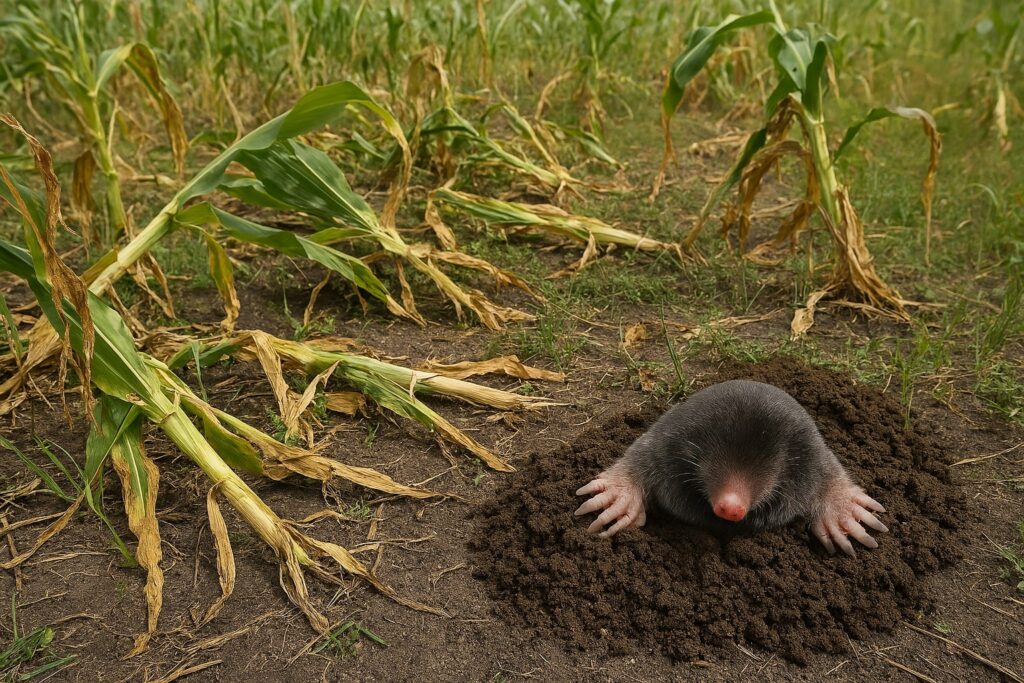
Mammology
Rodents (mice and rats) cause substantial losses to agricultural produce and the holding structures. The section studies the behaviour, management and control of rodents which attack stored commodities. The section recommends control measures which are based on chemical and non-chemical strategies.
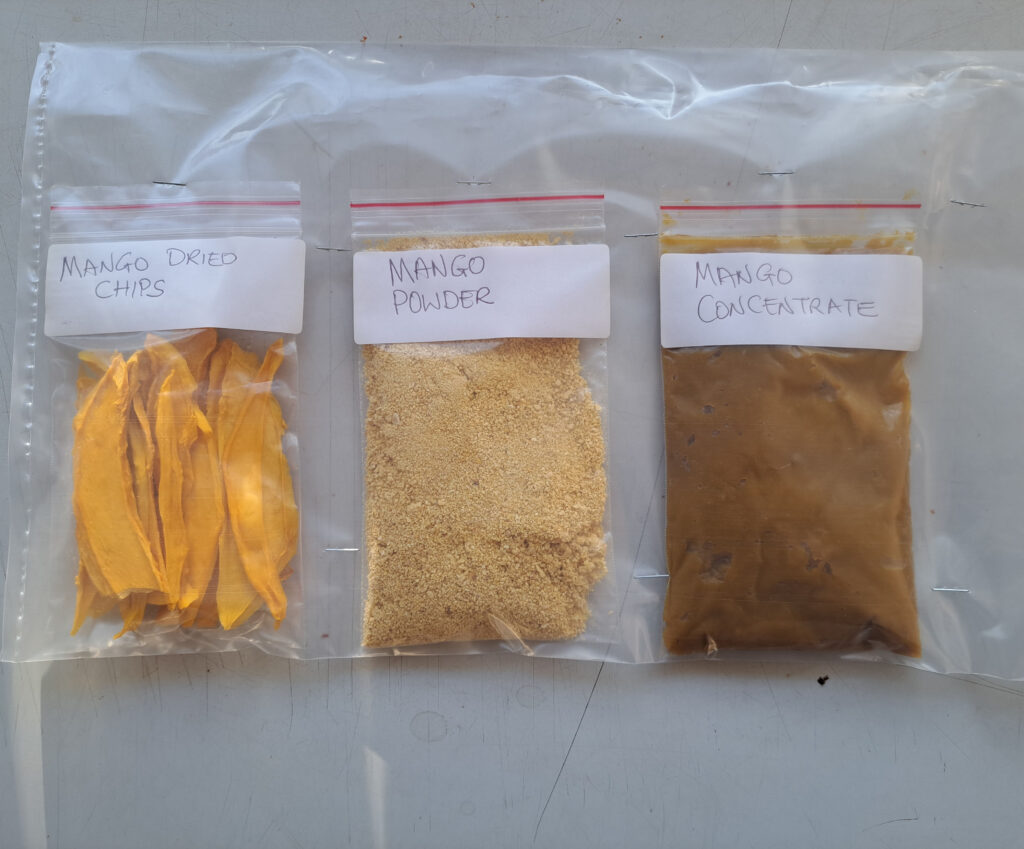
Food Processing
The section aims to develop appropriate methods of processing perishable and durable crops in order to avoid losses, to improve their storability and enhance their utilisation.
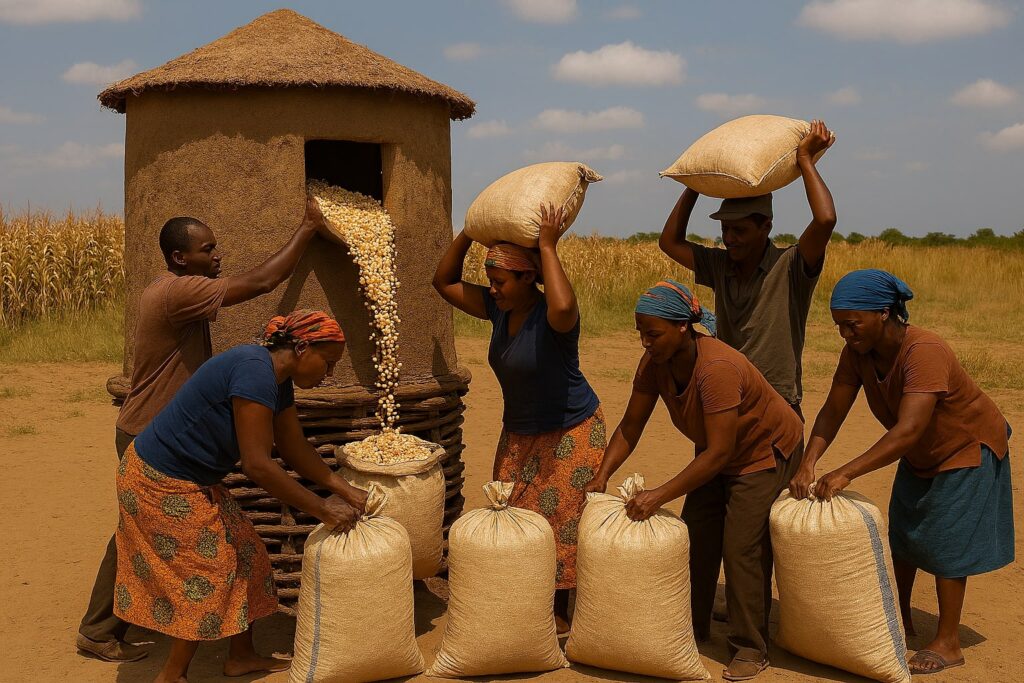
Storage Engineering
The section is responsible for research and development of a wide range of on-farm storage structures that reduce crop losses due to pests and climatic elements. It researches various types of storage structures, besides, improvements on traditional storage structures using locally available materials. Recommends systems or practices for short- and long-term grain storage and handling which are cost-effective for control of storage pests, micro-organisms and rigorous climatic elements conditions.
Advisory Services
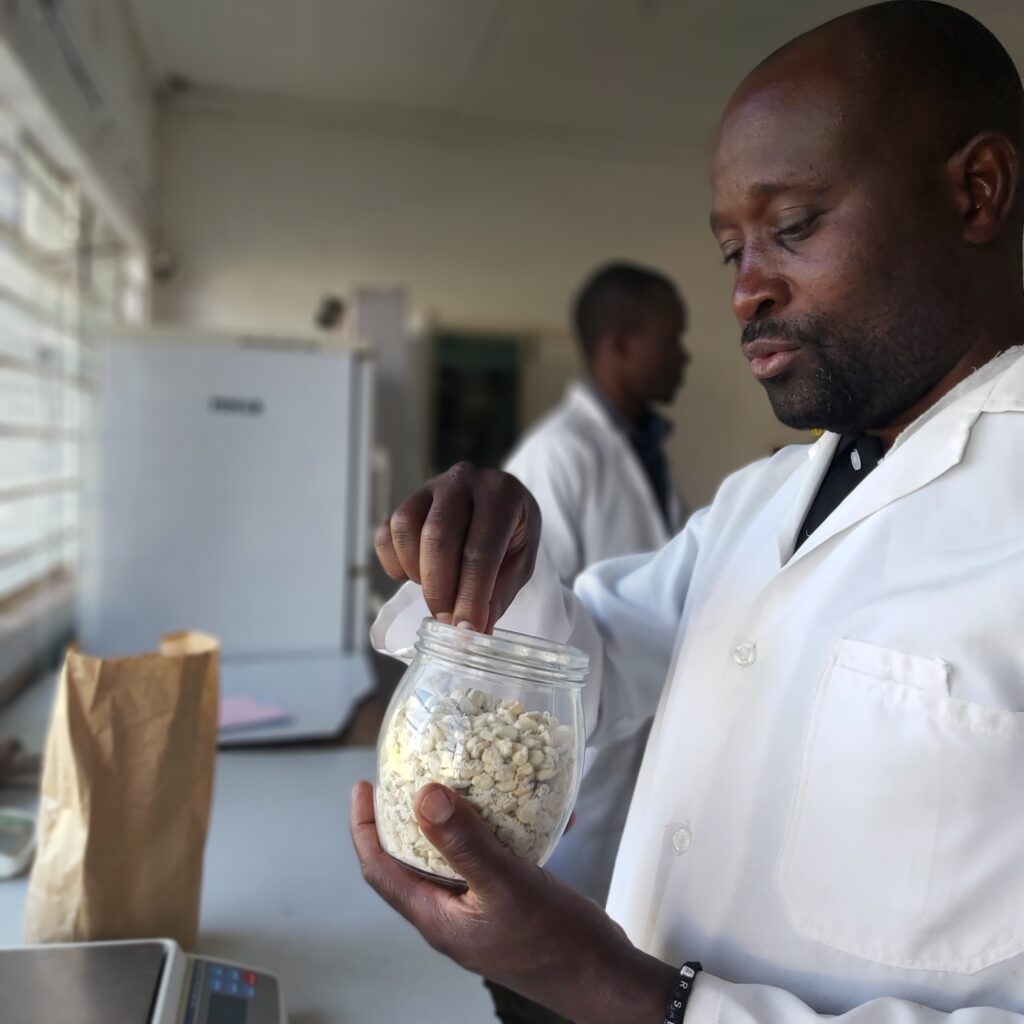
Quality standards in grain trade are important because they give an indication of quality requirements to producers, traders and end-users of grain. The team grades the maize grain quality based on induced characteristics parameters using standards approved by the Zambia Bureau of Standards (ZABS). The team offers storage pest identification services and advice on appropriate control or management measures.
ZARI is a public institution mandated to conduct public good agricultural research in soils, crops and water
Copyright © 2025 Zambia Agriculture Research Institute. All Rights Reserved.