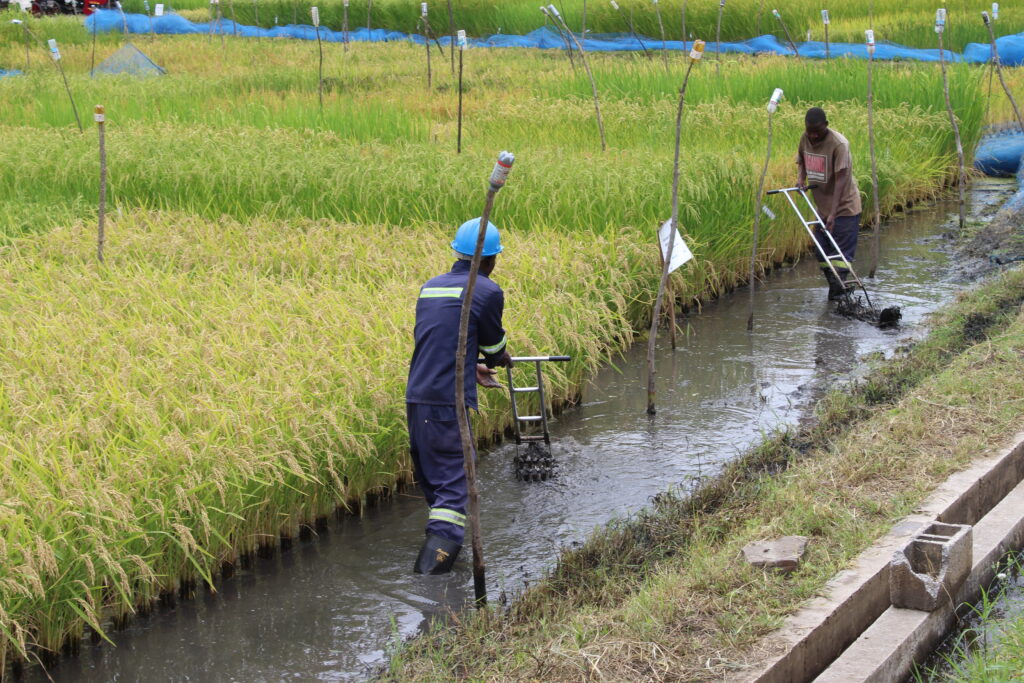
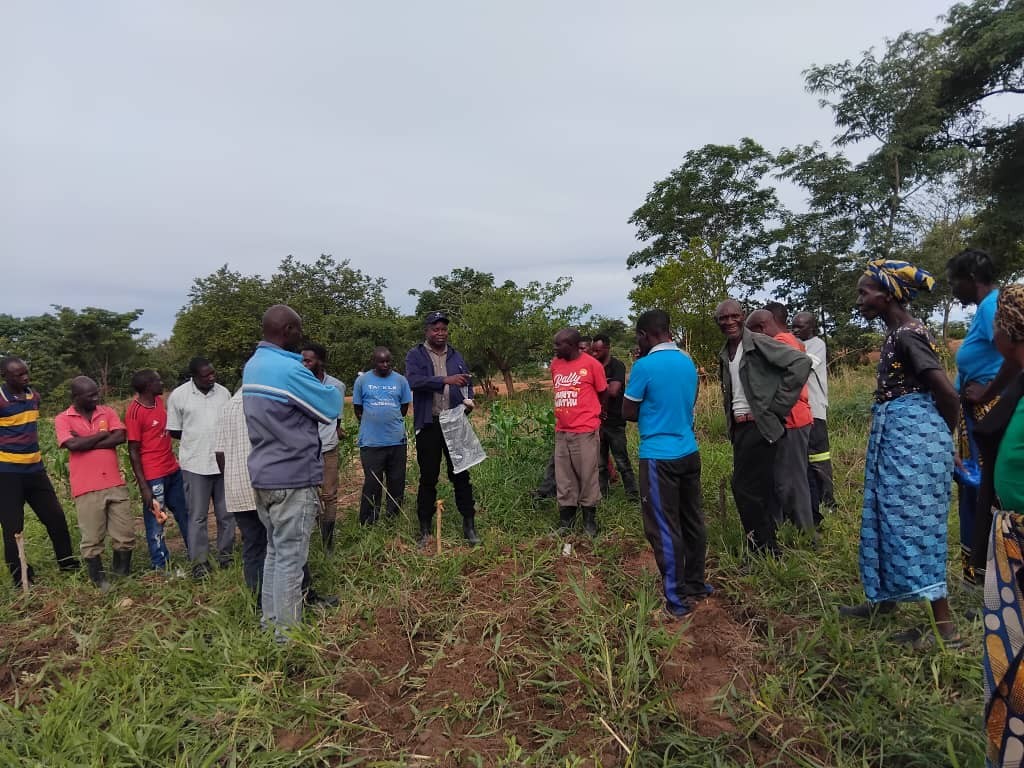
Farming Systems Research forms a focused platform for simple experiments conducted on farmers’ own fields and under farmers’ conditions and management, so that testing and development occur within real farm contexts. The basic objective is to identify constraints and then adapt, modify, or develop technological components accordingly, ensuring that the resulting options align with how farmers actually work and the circumstances they face.
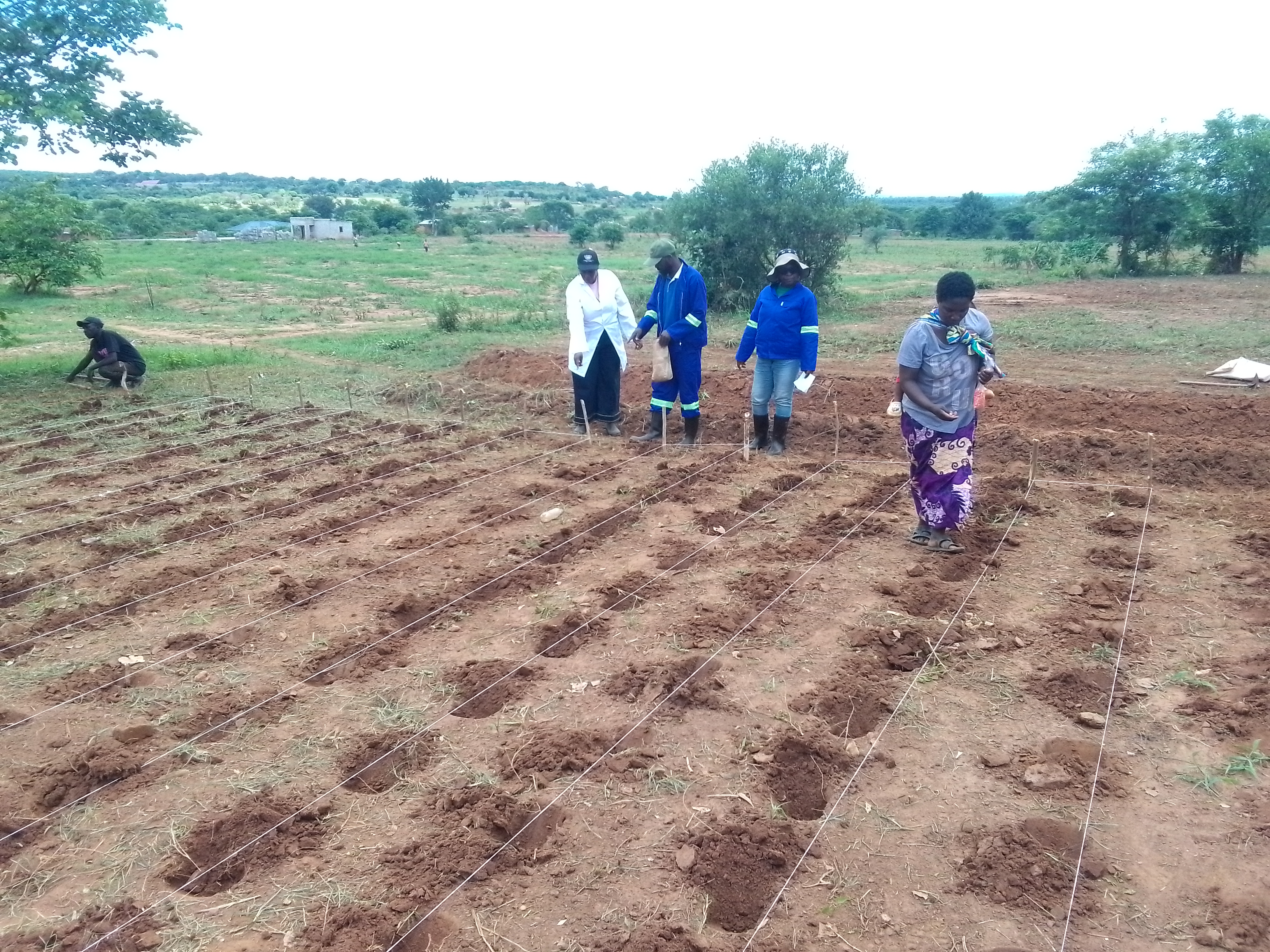
By design, FSR is implemented by a multi-disciplinary team of researchers—led in the Zambian context by the FSRT and now the FSSSD—in close collaboration with Commodity Research Teams (SWMD, CIA, PPQ). FSRT/FSSSD is also meant to carry out FSR jointly with other research and extension institutions, including the DoA, CGIAR centres, universities, and NGOs. The underlying factor is that FSR cannot be implemented by FSSSD in isolation; it relies on coordinated partnerships across institutions to plan, execute, and learn from on-farm research.
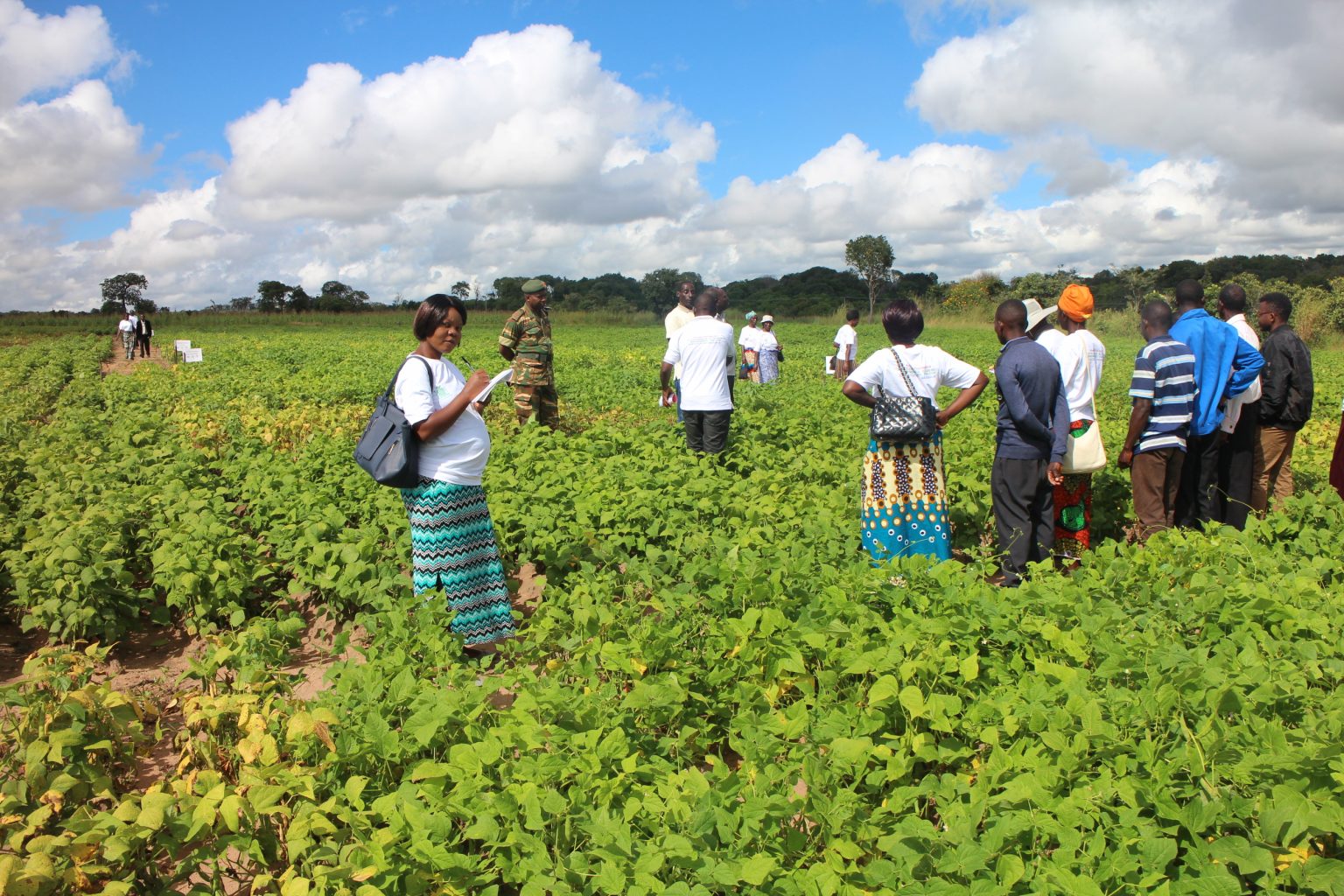
Farming Systems Research generates evidence-based data and insights that guide decisions on agricultural practices, resource management, and sector development as a whole. By revealing how crops, livestock, soils, water, labour, and markets interact, FSR helps policymakers grasp the intricate relationships among farming systems, improving the quality, targeting, and timing of policy and programme choices. These insights support better prioritization of interventions, more efficient allocation of resources, and clearer assessment of trade-offs and co-benefits, ultimately strengthening sector strategies and the effectiveness of implementation and scaling.